How to Read Salon and Spa Claims With a Researcher’s Eye
How to Read Salon and Spa Claims With a Researcher’s Eye A Hair salon can offer valuable professional guidance, but clients still benefit from knowing…

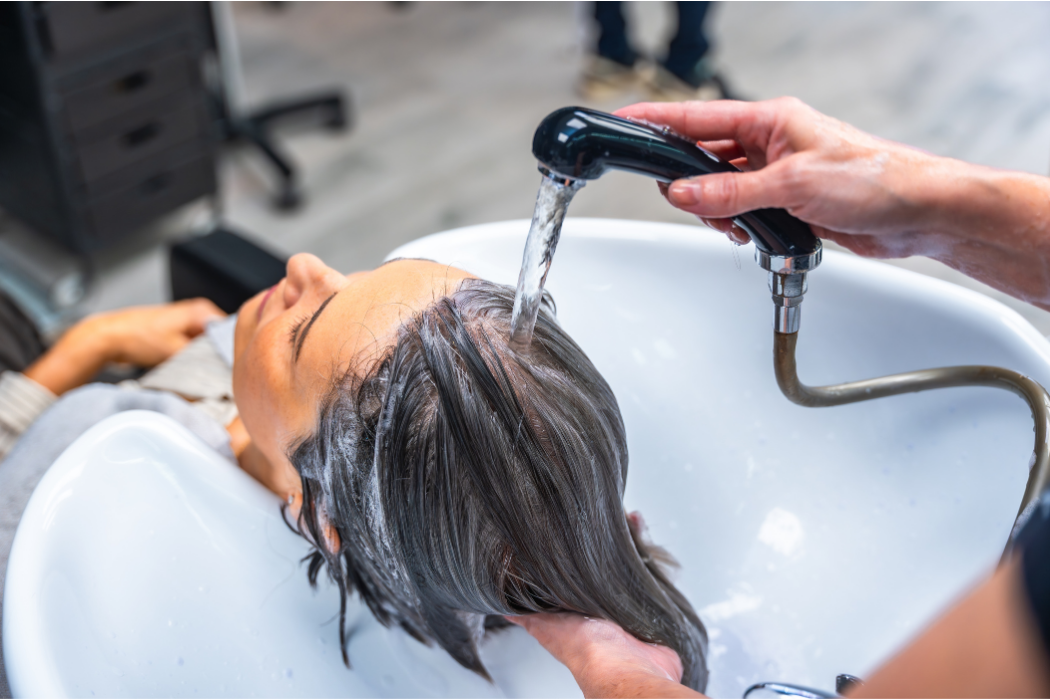
A Hair salon should be evaluated not only by its finished styles, but also by how its professionals handle tools, products, consultations, hygiene, and client safety.
Cleanliness can be difficult to judge during a brief visit. A polished reception area and pleasant fragrance create a favorable impression, yet the most important practices often occur between clients. Combs are processed, surfaces are disinfected, linens are replaced, products are dispensed, and service histories are reviewed.
Research and regulatory guidance give consumers a practical framework for assessing these less-visible parts of salon care. The goal is not to conduct an inspection from the styling chair. It is to recognize meaningful signs of professionalism and ask sensible questions when a service involves chemicals, reusable tools, adhesives, skin contact, or nail care.
Everyday language often treats cleaning, sanitizing, disinfecting, and sterilizing as interchangeable. They describe different processes.
Cleaning matters because debris can interfere with a disinfectant. A tool that looks clean has not necessarily been disinfected, while placing a visibly dirty implement directly into a disinfectant container skips an important step.
The U.S. Food and Drug Administration’s salon-professional resources provide information about products used in hair, nail, skin, and other beauty services. State cosmetology boards establish additional requirements for salon operation and professional practice.
In Maryland, the Board of Cosmetologists licenses qualified professionals, issues permits to salon businesses, and establishes health and safety standards. Consumers can learn about these responsibilities through the Maryland Board of Cosmetologists.
The state’s general salon sanitation regulations contain requirements covering ventilation, handwashing, waste removal, linens, implement processing, product dispensing, and storage.
For example, implements that directly contact clients generally must be washed in hot, soapy water before being immersed in an appropriate disinfectant. Cleaned and disinfected implements must then be stored in a closed, dry cabinet or drawer. Items that cannot be properly sanitized and disinfected cannot simply move from one client to another.
These rules are a baseline rather than a prediction of artistic quality. A current license does not reveal whether a professional’s specialty matches a client’s requested style. It does, however, establish that the individual or business operates within a regulated system.
Safety is easiest to understand by watching what happens after one service ends and before the next begins. A well-designed transition prevents used supplies from becoming mixed with prepared materials.
A dropped tool should not go directly back into service. Likewise, a container of blue liquid is not proof of effective disinfection by itself. The product must be suitable for the purpose, mixed correctly, and allowed to remain in contact with the implement for the time specified on its label.
Hair coloring is highly personalized. The final formula and process depend on the existing shade, previous chemical treatments, hair condition, desired result, and maintenance plan. Safety history belongs in that consultation as well.
The FDA’s guidance on hair dyes explains that some coloring ingredients can cause allergic reactions or sensitization. A person may react even after using hair color without difficulty in the past because sensitivities can develop and formulations can change.
Clients should disclose previous itching, swelling, blistering, burning, or hair loss associated with a coloring product. They should also mention at-home dye, lightener, henna, relaxers, perms, and smoothing treatments. An old service remains relevant if the chemically treated hair is still present within the current length.
Intense or persistent burning should not be treated as a normal requirement of effective color. When symptoms are concerning, the service should be stopped and appropriate medical guidance obtained.
Manicures and pedicures combine reusable tools, cosmetic products, water, and close contact with skin and nails. These factors make consistent processing particularly important.
The American Academy of Dermatology’s manicure and pedicure guidance advises consumers to notice whether stations are clean, hands are washed between clients, and used tools are handled appropriately. It also recommends avoiding the cutting or forceful pushing of cuticles because cuticles help protect against infection.
Pedicure basins require more than a quick rinse. Water can circulate through internal components that are not immediately visible. The Environmental Protection Agency’s foot-spa procedures emphasize cleaning, using a properly labeled disinfectant, following contact-time instructions, and consulting state requirements and equipment manuals.
Clients can reduce avoidable risk by postponing a pedicure when they have open wounds, active inflammation, or a suspected contagious nail condition. They should also inform the technician about diabetes, circulation concerns, skin sensitivity, or previous reactions when those issues may affect the service.
After nail care, increasing redness, warmth, swelling, drainage, or persistent pain should not be dismissed as ordinary tenderness. Those symptoms may require assessment by a healthcare professional.
A salon with several service categories cannot rely on one universal preparation routine. Lash adhesive is used near the eyes. Makeup tools may contact the lips and eye area. Facial products remain on the skin, while waxing intentionally removes hair from the skin’s surface.
Before these services, clients should disclose relevant allergies, recent reactions, prescription skin treatments, active irritation, and recent procedures. The professional can then determine whether the service should be adapted or postponed.
The FDA notes that cosmetic allergens may include fragrances, preservatives, dyes, metals, and natural rubber. Reassuring terms such as “natural,” “gentle,” or “hypoallergenic” do not guarantee that a product will suit every person.
Practical questions include:
Ventilation influences both comfort and occupational exposure. Hair sprays, nail products, removers, adhesives, color, and smoothing formulas can release vapors or particles. A strong odor does not identify a specific hazard, but persistent eye, throat, or respiratory irritation deserves attention.
Smoothing products require product-specific questions. The Occupational Safety and Health Administration reports that certain smoothing products may contain or release formaldehyde during use, including some products promoted with misleading descriptions.
Consumers considering a smoothing treatment can ask for the exact product name, its intended result, the way heat is used, and the ventilation measures in place. Broad marketing terms should not replace clear information about the actual formula and process.
Hygiene is not limited to wiping surfaces. Good information also prevents avoidable problems. A consultation allows the professional to identify sensitivities, chemical conflicts, scalp concerns, damaged nails, or unrealistic service combinations before work begins.
4&CO SALON serves Rockville, Maryland, with haircuts, coloring, highlights, balayage, extensions, manicures, pedicures, facials, waxing, lash services, and makeup-related options. Because these services involve different techniques and forms of client contact, individualized consultation is more useful than selecting a treatment by name alone.
A client planning several services should discuss their timing together. Freshly sensitized skin may not be suitable for an immediate waxing service, while previous hair treatments can affect the feasibility of a color transformation. Coordinated planning helps the professional consider the complete service history.
Consumers do not need specialist knowledge to make better-informed decisions. Before or during a visit, consider the following:
Responsible salon care combines artistry with repeatable systems. Clean tools, accurate product handling, open communication, appropriate ventilation, realistic recommendations, and attention to individual health history may not be the most glamorous parts of a beauty service, but they are among the most important. Clients who understand these principles can select services with greater confidence while participating more effectively in their own comfort and safety.