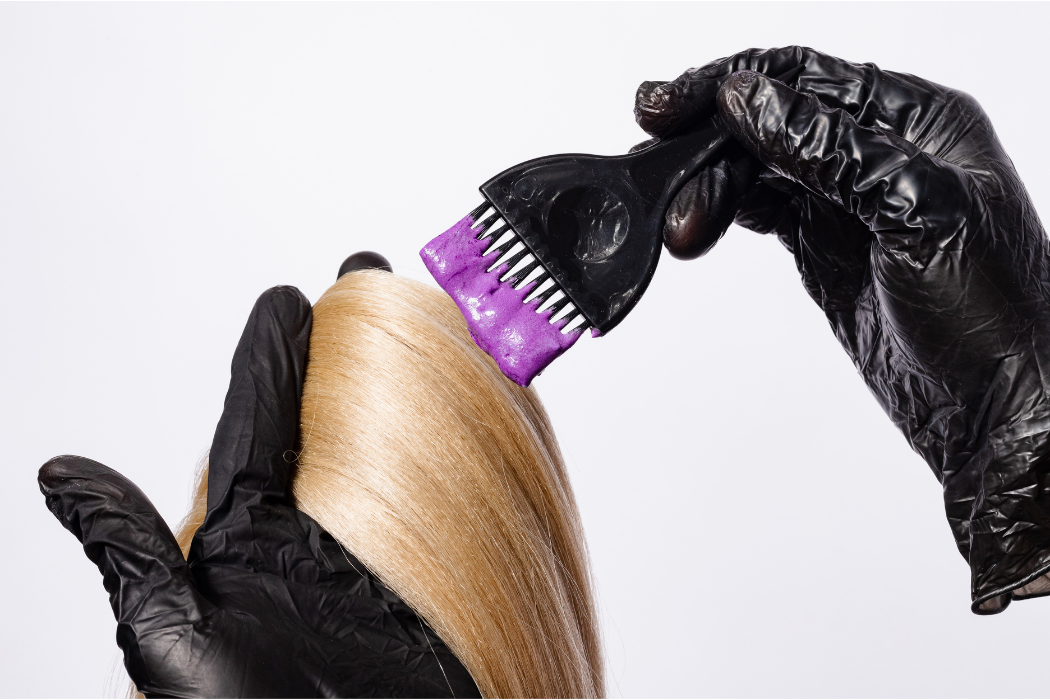
How to Build a Blonde Plan That Respects the Starting Point
How to Build a Blonde Plan That Respects the Starting Point Blonde hair services work best when the desired shade is treated as one part…

A Hair salon can offer valuable professional guidance, but clients still benefit from knowing how to distinguish realistic cosmetic benefits from claims that require stronger evidence.
Beauty language is designed to be appealing. Services may be described as restorative, detoxifying, strengthening, rejuvenating, clean, natural, or scientifically formulated. Some terms communicate a genuine cosmetic benefit. Others are broad enough to mean almost anything.
An evidence-informed approach does not require rejecting every treatment that lacks a clinical trial. A haircut, color service, facial, or brow treatment is primarily an aesthetic experience. The important question is whether the evidence matches the type and size of the claim being made.
Before evaluating evidence, determine what a product or service is promising. Specific claims are easier to assess than broad promotional language.
Consider the difference among these statements:
The first two describe cosmetic effects that may be observed through appearance, touch, or manageability. The latter two imply lasting structural or medical effects and therefore require substantially stronger support.
The Federal Trade Commission explains that advertising claims must be truthful, evidence-based, and not misleading. Consumers can apply the same principle informally by asking whether a statement describes a temporary appearance benefit, an objectively measurable change, or treatment of a health condition.
Hair above the scalp is composed of nonliving fibers. The cuticle forms its protective outer surface, while the cortex contributes much of its strength, elasticity, and color.
A scientific review of hair structure, degradation, and cosmetic care explains that hair cannot biologically regenerate after leaving the follicle. Conditioners and other products can coat or fill damaged areas, reduce friction, improve softness, and create a healthier appearance. Those benefits are meaningful, but they are different from biological healing.
This distinction helps clarify common salon terminology:
A knowledgeable professional should be able to explain the practical result without relying entirely on branded vocabulary.
Before-and-after photographs can demonstrate artistry, but they do not provide a controlled comparison. Lighting, styling, camera settings, product application, and image selection all influence the finished appearance.
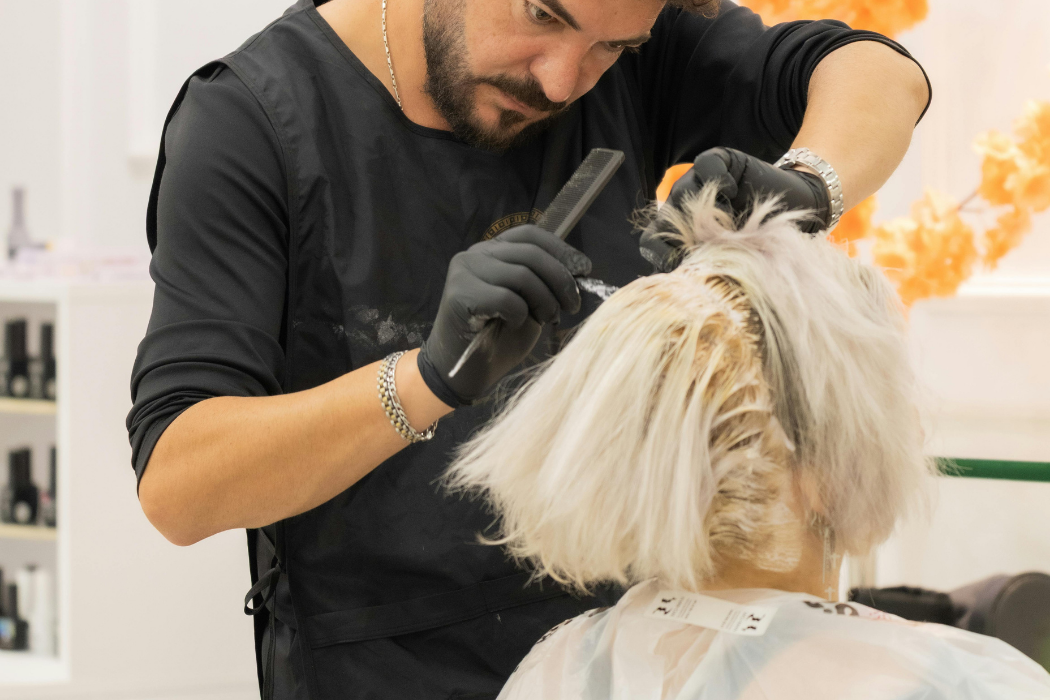
Hair history is equally important. Two people requesting the same blonde, curl pattern, extension installation, or layered cut may require entirely different plans because of differences in density, texture, previous color, porosity, and daily maintenance.
The American Academy of Dermatology notes that coloring and perming can leave hair dry or brittle. Lightening usually affects the fiber differently from depositing a darker shade, while repeatedly processing previously lightened lengths may increase fragility.
A responsible consultation should therefore establish:
When a stylist recommends a staged transformation or a modified technique, the recommendation may reflect the condition of the starting canvas rather than a lack of technical ability.
A product can deliver an attractive result and still require careful handling. Performance claims and safety questions should be evaluated separately.
Hair dyes, for example, can cause allergic reactions. The U.S. Food and Drug Administration provides guidance about hair-dye reactions, eye safety, ingredient regulation, and problem reporting. Previous use without difficulty does not guarantee that sensitivity will never develop.
Clients should disclose earlier itching, swelling, blistering, or burning associated with color or other products. During a service, persistent pain or intense irritation should not be accepted as proof that a formula is working.
Product-specific questions are particularly important for chemical smoothing. The Occupational Safety and Health Administration reports that certain smoothing products may contain or release formaldehyde, including some products carrying potentially misleading labels.
Before a smoothing service, useful questions include:
“Natural” does not automatically mean nonirritating, environmentally responsible, or appropriate for every client. Plant-derived ingredients can cause allergies, while synthetic ingredients can be well studied and safely formulated for their intended use.
Similarly, “clean beauty” does not have one universal scientific definition. Different brands and retailers exclude different ingredients, making comparisons difficult without a stated standard.
When these terms appear, ask more precise questions:
Specific information is more useful than a reassuring label.
Salon and spa professionals can observe the condition of hair and skin, adjust cosmetic services, and recommend appropriate home care within their professional scope. They do not replace physicians when symptoms may indicate a medical condition.
Unexplained shedding, bald patches, scalp sores, persistent inflammation, rapidly changing skin lesions, or severe reactions deserve evaluation by an appropriate healthcare professional. A cosmetic service may improve appearance or comfort, but it should not be presented as diagnosing or curing a disease.
This boundary also matters when discussing extensions and tightly secured styles. Repeated tension can contribute to traction alopecia. The American Academy of Dermatology identifies broken hairs and a receding hairline as possible warning signs.
An extension installation or secured style should not cause ongoing pain, headaches, bumps, or intense pulling. Clients should report discomfort early rather than waiting until the next scheduled visit.
Not every useful salon practice needs a randomized clinical trial. The level of evidence should be proportional to what is promised.
A testimonial can describe satisfaction, comfort, or appearance. It cannot establish that everyone will receive the same result or that a service treats a medical condition.
Photographs can show examples of technical work. They are most informative when lighting, angle, styling, and image editing remain consistent.
Fiber tests can measure breakage, friction, combing force, shine, or moisture-related properties. They may support a specific performance claim, but laboratory conditions do not reproduce every real-world routine.
Clinical research becomes more important when a claim concerns skin reactions, hair growth, disease treatment, or other health outcomes. Look for an appropriate comparison group, adequate duration, meaningful outcome measures, and disclosure of funding.
Evidence should also support the finished product or process being offered. Research on one ingredient does not automatically prove that every formula containing it produces the same effect.
Licensing establishes a regulatory baseline, although it does not guarantee that every professional has the same artistic specialty or experience with a particular technique.
Washington consumers can use the Washington State Department of Licensing verification resources to check the current status of cosmetology licenses. Clients should then ask about relevant training, consultation practices, and experience with the requested service.
Other useful indicators include:
Environmental commitments are most credible when they describe measurable practices. Recycling is valuable, but sustainability can also involve reducing waste before it is created.
The Environmental Protection Agency defines pollution prevention as reducing or eliminating waste at its source through measures such as more efficient resource use, less-toxic substances, conservation, and reuse.
For a salon or spa, practical actions might include tracking formulas to reduce overmixing, managing inventory carefully, conserving water and energy, selecting lower-waste packaging, and using specialized collection programs for materials that ordinary municipal systems may not accept.
Consumers can ask what is collected, where it goes, and how the business reduces waste in daily operations. Concrete answers are more informative than an environmental slogan by itself.
22 Changes Salon & Spa offers haircuts and styling, color, extensions, perms and treatments, skin therapy, hair removal, sugaring, and lash and brow services in Vancouver, Washington.
Its public information emphasizes individualized consultations, ongoing team education, client comfort, community involvement, and a SalonCycle partnership intended to reduce salon waste. This combination provides a useful example of how cosmetic services, professional communication, and operational values can work together.
Clients considering its broad menu can still apply the same evidence-informed questions to any individual service: What is the intended result? How does the starting condition affect the plan? What maintenance will be required? Which benefits are cosmetic, and which claims would require medical evidence?
Before selecting a substantial service, use this checklist:
Research literacy in beauty is not about turning every salon visit into a scientific investigation. It is about matching confidence to evidence, asking precise questions, and understanding the difference between cosmetic improvement and medical treatment. When clients and professionals communicate clearly, attractive results can be pursued with more realistic expectations, greater comfort, and better-informed consent.