How Escape Rooms Are Shaping Cognitive Research, Team Dynamics, and Experiential Learning
The Escape Rooms in Savannah, GA have gained attention not only as entertainment venues, but also as real-world environments that reflect principles studied in cognitive science, behavioral psychology, and team-based research. As experiential learning models continue to evolve, escape rooms offer a compelling case study in how problem-solving, collaboration, and stress response operate in controlled yet immersive settings.
Escape Rooms as Applied Cognitive Research Environments
From a research perspective, escape rooms simulate high-engagement problem-solving scenarios that require participants to process information, test hypotheses, and adapt strategies under time constraints. These conditions mirror elements often examined in cognitive and behavioral studies, including working memory, pattern recognition, and decision-making under pressure.
Unlike abstract laboratory tasks, escape rooms place participants in narrative-driven environments where cognitive skills are applied organically. This makes them valuable examples of applied cognition in action.
Problem-Solving Under Time Constraints
Time-limited challenges are a central feature of escape rooms. Research in cognitive psychology has shown that moderate time pressure can enhance focus and task engagement, while excessive pressure may impair performance.
Escape rooms strike a balance by creating urgency without overwhelming participants. Teams must prioritize information, allocate cognitive resources efficiently, and avoid fixation on incorrect assumptions. These dynamics closely align with research on executive function and adaptive reasoning.
Cognitive Skills Commonly Activated in Escape Rooms
- Logical reasoning and deductive thinking
- Pattern recognition and spatial awareness
- Short-term and working memory utilization
- Attention shifting and cognitive flexibility
Collaboration and Group Decision-Making
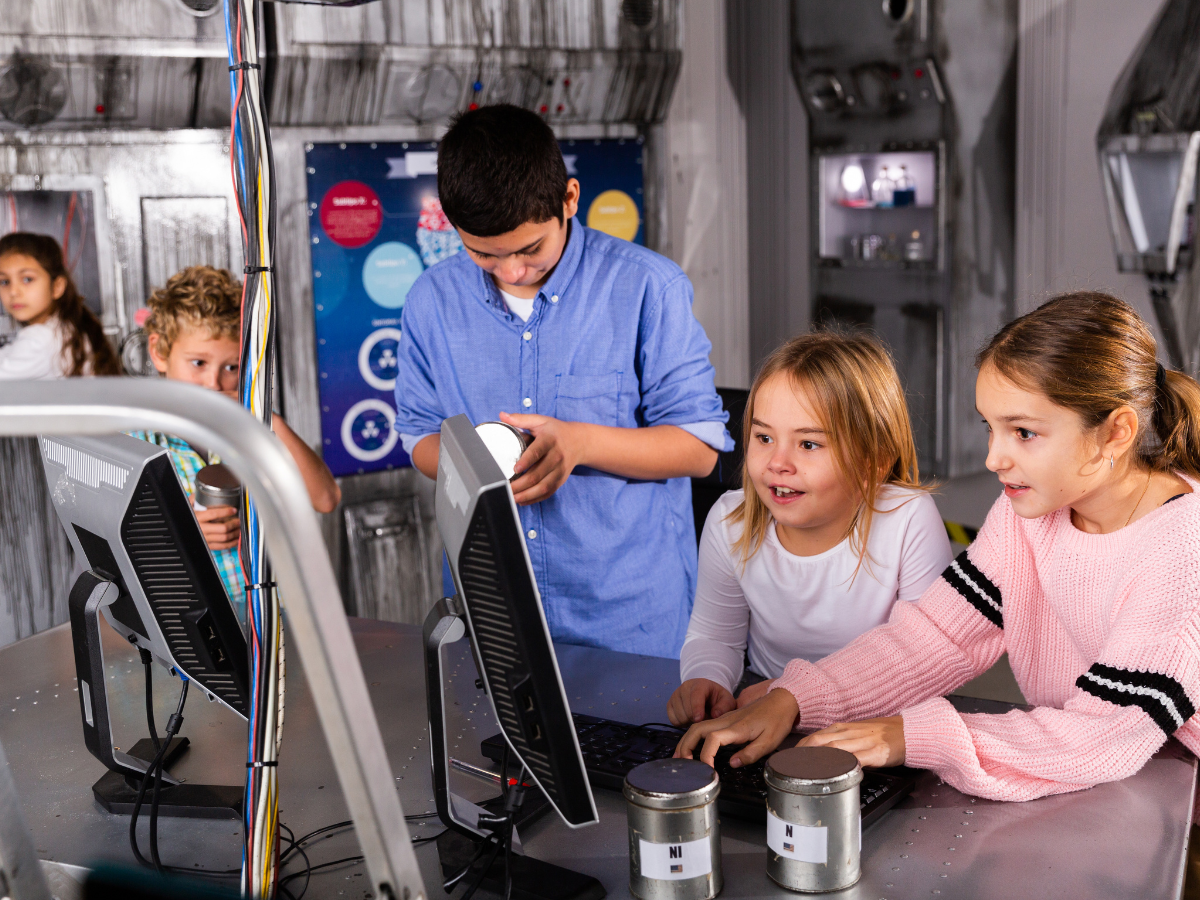
Escape rooms provide a structured environment for observing group behavior. Teams must communicate clearly, divide tasks, and integrate individual insights into a cohesive strategy.
Research in organizational psychology emphasizes the importance of shared mental models and effective communication in group performance. Escape rooms naturally encourage these behaviors, as success depends on how well participants listen, adapt, and coordinate.
Leadership and Role Emergence
One notable aspect of escape room dynamics is the spontaneous emergence of leadership roles. In many cases, leaders are not formally designated but arise based on confidence, expertise, or situational awareness.
This phenomenon aligns with research on emergent leadership, where influence is earned through contribution rather than authority. Escape rooms offer a practical illustration of how leadership can shift depending on task demands and group needs.
Stress, Arousal, and Performance
The immersive nature of escape rooms introduces mild stressors such as countdown timers, narrative stakes, and sensory elements. According to psychological research, moderate arousal can enhance performance by increasing alertness and motivation.
Escape rooms allow participants to experience stress in a safe environment, making them useful analogs for studying stress regulation and coping strategies. Participants learn to manage pressure, remain focused, and recover from setbacks.
Learning Through Failure and Iteration
Failure is an expected and valuable part of the escape room experience. Incorrect assumptions, dead ends, and missed clues require teams to reassess and adapt.
Educational research consistently highlights the role of productive failure in learning. By encouraging experimentation and iteration, escape rooms reinforce resilience and metacognitive awareness.
Escape Rooms and Experiential Learning Theory
Experiential learning theory emphasizes learning through direct experience, reflection, and application. Escape rooms align closely with this model by engaging participants actively rather than passively.
According to experiential learning frameworks, immersive challenges improve retention and understanding by linking concepts to action. Escape rooms exemplify this approach through narrative-driven problem-solving.
Applications Beyond Entertainment
Because of their cognitive and collaborative benefits, escape rooms have been adapted for educational, corporate, and training contexts. Schools use them to reinforce STEM concepts, while organizations apply them to team-building and leadership development.
From a research standpoint, these applications demonstrate how entertainment-based environments can support skill development and behavioral insights.
Design Elements That Influence Cognitive Engagement
The design of an escape room plays a significant role in how participants think and interact. Puzzle sequencing, environmental cues, and narrative coherence all influence cognitive load and engagement.
Well-designed rooms guide participants toward productive exploration without excessive frustration. This balance reflects principles found in human-centered design and usability research.
The Role of Narrative in Motivation
Narrative context enhances motivation by giving meaning to tasks. Research in cognitive science suggests that storytelling can improve engagement and memory by providing structure and emotional connection.
Escape rooms leverage narrative to transform abstract puzzles into purposeful challenges, increasing immersion and sustained attention.
Local Context and Authentic Experience Design
Escape rooms that incorporate local themes or historical references add an additional layer of engagement. This contextual relevance can deepen immersion and create more memorable experiences.
The Escape Company integrates thoughtful design and narrative structure to create experiences that challenge participants intellectually while remaining engaging and accessible.
Measuring Success in Escape Room Experiences
Success in escape rooms is not solely defined by whether a team escapes. Measures such as engagement, collaboration quality, and participant satisfaction are equally important.
These qualitative outcomes align with research methodologies that value process-oriented metrics alongside final results.
The Growing Research Interest in Gamified Experiences
Gamification and serious games are increasingly studied for their ability to influence behavior and learning outcomes. Escape rooms sit at the intersection of these fields, offering rich opportunities for observation and analysis.
According to research on gamification, game-based elements can enhance motivation, engagement, and knowledge transfer when designed effectively.
Future Implications for Research and Learning
As experiential and gamified learning continues to expand, escape rooms may play a larger role in research-informed design of educational and training environments.
Their ability to combine cognitive challenge, collaboration, and emotional engagement makes them valuable models for studying human behavior in complex systems.
Conclusion: Escape Rooms as More Than Entertainment
Escape rooms represent a convergence of entertainment, cognitive science, and experiential learning. Through problem-solving, collaboration, and narrative immersion, they offer insights into how people think, adapt, and work together.
For those exploring escape rooms in Savannah, GA, these experiences provide not only engaging challenges but also a glimpse into the principles that drive effective learning and teamwork. As research continues to examine immersive environments, escape rooms stand out as practical examples of how thoughtful design can activate the human mind.