What Defines a High-Quality Comprehensive Eye Exam in Fort Worth, TX
Eye care has become an increasingly research-focused field as advances in diagnostics, preventative medicine, and clinical protocols reshape how vision services are delivered. In Fort Worth, TX, eye exam centers are no longer evaluated only on convenience or prescription accuracy. Instead, quality is defined by structured clinical processes, evidence-based testing, and the ability to support long-term eye health through consistent monitoring.
This shift reflects broader trends across healthcare, where research, standardization, and data-informed decision making are essential to improving outcomes and patient confidence.
The Evolution of the Modern Eye Exam
Today’s comprehensive eye exam is far more than a routine vision check. It functions as a preventative healthcare assessment designed to evaluate both visual performance and overall ocular health.
Research in optometry and vision science supports the role of regular eye exams in detecting early signs of conditions such as glaucoma, macular degeneration, diabetic eye disease, and hypertension-related changes. Eye care centers that follow structured exam protocols are better equipped to identify subtle changes before they become symptomatic.
Standardized Exam Protocols Improve Diagnostic Reliability
Healthcare research consistently shows that standardized clinical workflows reduce variability and improve diagnostic accuracy. In eye care, this means every exam includes a consistent set of evaluations rather than relying on subjective judgment alone.
This approach aligns with findings outlined in health services research, which emphasizes that structured processes improve outcomes and strengthen patient trust across medical disciplines.
Why Research-Based Eye Exams Matter in Fort Worth
Fort Worth serves a diverse population that includes families, working professionals, and aging adults with evolving vision needs. Increased screen use, environmental exposure, and chronic health conditions have elevated the importance of thorough and reliable eye exams.
In this environment, research-driven eye care centers prioritize:
- Comprehensive diagnostic testing beyond basic refraction
- Early identification of eye health risks
- Long-term monitoring through detailed patient records
- Clear communication of exam findings and care recommendations
These elements ensure that eye exams deliver meaningful health insights rather than serving as one-time transactions.
The Role of Diagnostic Technology in Eye Exams
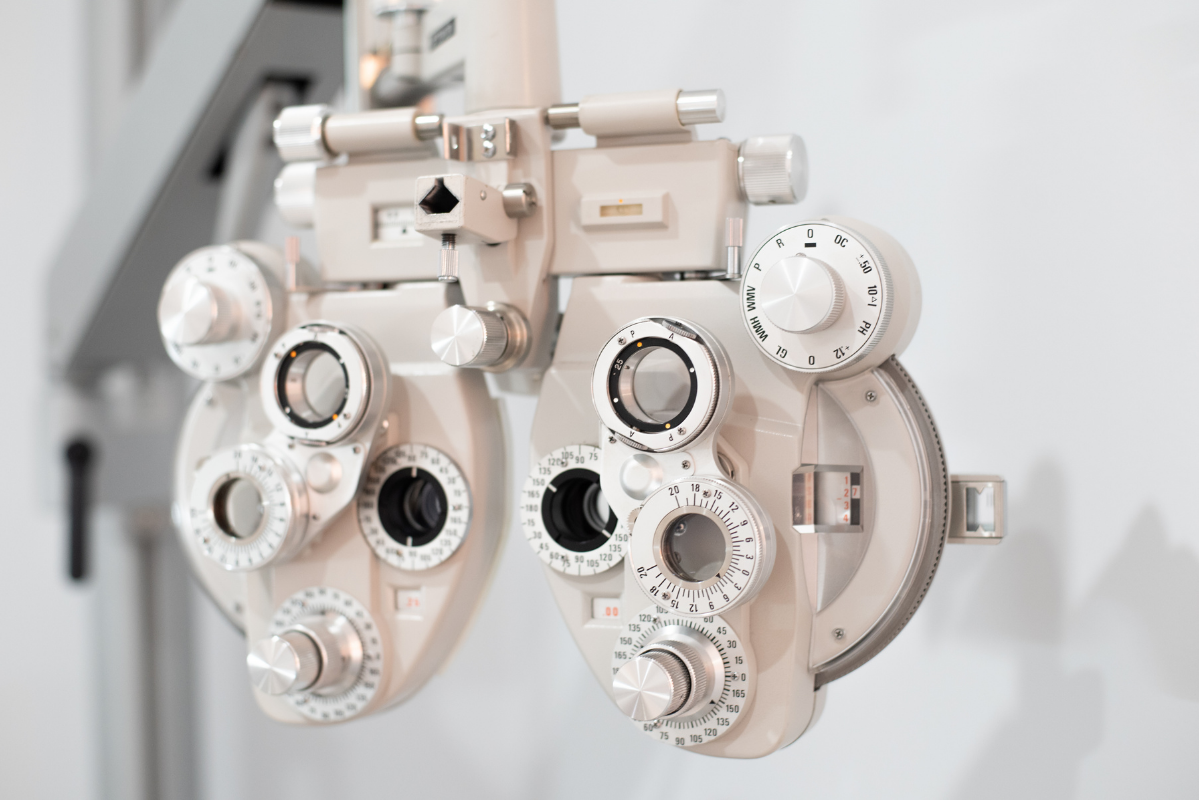
Advanced diagnostic technology has become a cornerstone of modern eye care. Tools such as digital retinal imaging, optical coherence tomography, and computerized refraction systems generate objective data that supports clinical decision making.
By collecting and comparing diagnostic data over time, eye care centers can identify trends and changes earlier than traditional methods allow. This data-driven model reflects best practices used throughout research-focused healthcare systems.
Clinical Expertise Supported by Ongoing Research
While technology enhances accuracy, clinical expertise remains essential. Research consistently shows that diagnostic tools are most effective when paired with skilled interpretation and evidence-based judgment.
Eye care centers that invest in continuing education ensure providers remain aligned with evolving research, updated screening guidelines, and emerging diagnostic techniques. This commitment supports accurate diagnoses and appropriate referrals when needed.
Patient Education as a Research-Supported Practice
Research also highlights the importance of patient education in improving healthcare outcomes. When patients understand their eye health status and potential risks, they are more likely to follow care recommendations and schedule regular exams.
Clear communication transforms the eye exam from a routine appointment into an ongoing healthcare partnership.
Preventative Eye Care and Long-Term Monitoring
Preventative care is a central focus of modern eye health strategies. Regular eye exams allow providers to monitor gradual changes and intervene before conditions progress.
Long-term monitoring is especially valuable for patients with family history, chronic health conditions, or extended screen exposure. Documented exam data enables proactive care rather than reactive treatment.
Ethical Standards and Evidence-Based Recommendations
Ethical eye care is closely linked to evidence-based practice. Research-driven recommendations ensure patients receive appropriate testing and treatment without unnecessary procedures.
From a healthcare perspective, transparency and data-supported guidance strengthen credibility and long-term patient relationships. Coverage from Forbes often highlights how evidence-based medical services influence patient confidence and trust.
Consistency as a Marker of High-Quality Eye Exams
Consistency is critical in eye care, where even small changes can signal significant health developments. Patients expect reliable evaluations regardless of appointment timing or provider.
Research-focused eye care centers achieve consistency through standardized documentation, collaborative review processes, and continuous quality assessment. Treating eye exams as repeatable clinical services improves reliability and diagnostic confidence.
Raising the Standard for Eye Exams in Fort Worth
As expectations continue to rise, patients searching for the Best Eye Exam Eye Care Center in Fort Worth, TX increasingly prioritize clinics that demonstrate professionalism, clinical depth, and research-informed protocols.
Eye care centers that integrate advanced diagnostics with structured operations are better positioned to deliver dependable and meaningful care.
An Eye Care Center Focused on Research-Informed Excellence
Eye care practices that integrate research, technology, and clinical expertise are setting higher standards across Fort Worth. These organizations operate with the same rigor found in leading healthcare systems.
Fort Worth Eye Center reflects this research-informed approach through its commitment to comprehensive eye exams, advanced diagnostic technology, and patient-centered care. Their methodology aligns with modern standards in evidence-based vision health.
The Future of Eye Exams in Fort Worth
The future of eye care will continue to be shaped by research, diagnostic innovation, and preventative strategies. Eye care centers that invest in education, technology, and structured care models will remain leaders in patient outcomes.
For patients in Fort Worth, this evolution means more accurate exams, earlier detection of potential concerns, and clearer guidance on maintaining long-term eye health. For providers, it represents sustainable growth built on trust, consistency, and research-driven excellence.
In an increasingly complex healthcare landscape, research-informed eye exams are not optional. They are the foundation of effective and reliable vision care.