Why Hair History Matters More Than Trend Labels
Why Hair History Matters More Than Trend Labels A Hair salon consultation becomes more useful when it examines the condition and history of the hair…


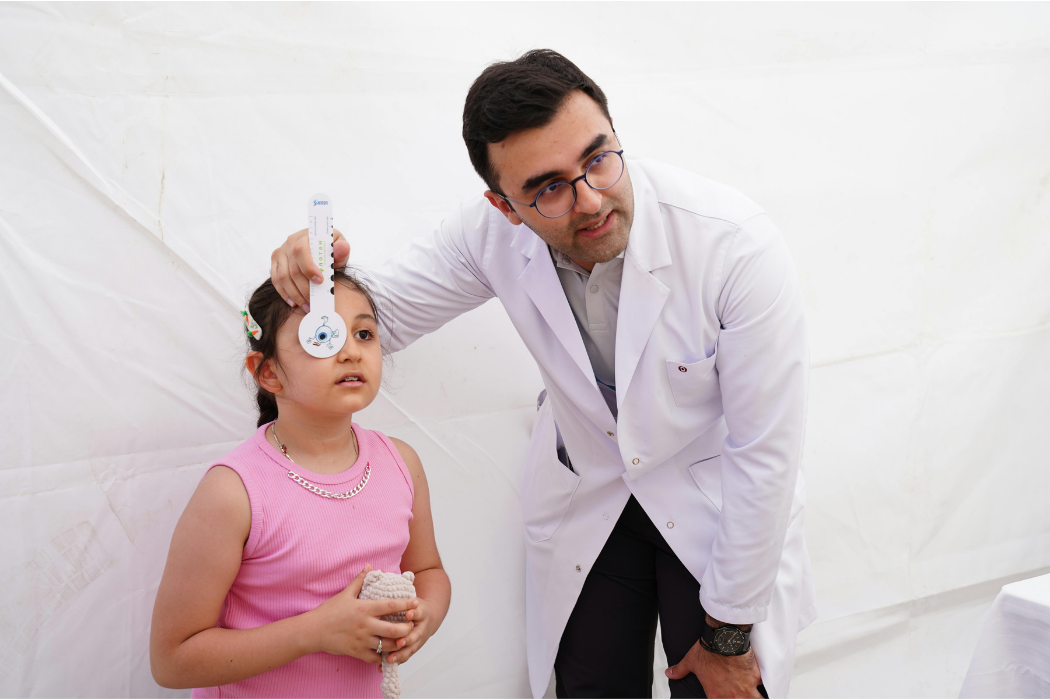
An Optometrist evaluates far more than whether the smallest letters on an eye chart appear sharp.
Clear distance vision is only one measure of visual health. A person can read the 20/20 line while experiencing focusing problems, dry eye, eye-teaming difficulties, early retinal changes, or damage associated with glaucoma. Several eye diseases also develop without noticeable symptoms during their early stages.
This is why a comprehensive eye examination should not be viewed merely as a way to renew a glasses prescription. It is a structured assessment of vision, ocular function, eye health, and relevant medical risk factors.
A basic screening is designed to identify people who may need additional evaluation. It often concentrates on visual acuity, such as the ability to recognize letters from a set distance. That is useful, but limited.
A comprehensive examination investigates why vision may be changing and whether the eyes appear healthy. According to the American Optometric Association, many eye and vision problems have no obvious warning signs, making periodic examinations an important part of preventive care.
The exact procedures vary according to age, symptoms, medical history, and clinical findings. An examination may assess:
The American Academy of Ophthalmology’s clinical guidance notes that a comprehensive evaluation can identify abnormalities within the visual system and evidence of systemic disease with ocular manifestations.
During a dilated examination, drops temporarily widen the pupils so the doctor can examine more of the retina and optic nerve. The National Eye Institute explains that dilation helps detect eye diseases before they cause recognizable vision loss.
Dilation is not necessarily required in exactly the same way at every visit. The decision depends on factors such as age, symptoms, health history, previous findings, and disease risk. If dilation is recommended, patients may experience temporary light sensitivity and blurred near vision. Bringing sunglasses and arranging transportation when necessary can make the visit easier.
Waiting for obvious symptoms can be risky because several important eye diseases may initially progress without pain or a dramatic change in sight.
Glaucoma describes a group of diseases that damage the optic nerve. The common open-angle form can develop so gradually that a person may not recognize the loss of peripheral vision. The National Eye Institute identifies a comprehensive dilated examination as the way to detect glaucoma and notes that early treatment can often prevent further damage.
Eye pressure matters, but a single pressure measurement does not provide the entire answer. Evaluation may also involve the optic nerve’s appearance, visual field testing, corneal characteristics, imaging, family history, and changes observed over time.
Diabetes can damage the small blood vessels of the retina before a person notices visual symptoms. The National Eye Institute recommends at least yearly comprehensive dilated examinations for people with diabetes, although an individual doctor may recommend a different schedule based on clinical findings and overall health.
Patients should tell their eye doctor about their diabetes diagnosis, medications, recent blood sugar control, blood pressure, pregnancy, and previous retinal findings. Eye care complements rather than replaces ongoing management with a primary care clinician or diabetes specialist.
Cataracts, macular degeneration, and other age-associated conditions may affect contrast, color perception, glare tolerance, reading, or central vision. Gradual changes are easy to attribute to normal aging, but examination helps distinguish an updated prescription from a condition that requires monitoring or referral.
Vision that changes while reading or using a computer is not always caused by an inaccurate prescription. The tear film forms the eye’s first optical surface, so instability can create intermittent blur as well as burning, grittiness, redness, or excessive watering.
The National Eye Institute describes dry eye as a problem involving insufficient tears, tears that evaporate too quickly, or tears that do not function properly. Medications, environmental exposure, contact lens use, eyelid conditions, health problems, and extended visual concentration may contribute.
A useful evaluation considers when symptoms occur, what makes them better or worse, and whether the eyelids and tear-producing structures show abnormalities. This is more informative than repeatedly trying random lubricating drops without determining the likely cause.
Children often assume that everyone sees the way they do. They may not clearly report blur, double vision, headaches, or difficulty shifting focus between a desk and classroom board.
Possible signs of a visual problem include:
These behaviors do not prove that a child has an eye condition, but they justify professional evaluation. The Centers for Disease Control and Prevention emphasizes early detection and treatment because vision problems can affect development and school performance.
A routine prescription for glasses is not automatically a complete contact lens prescription. Contact lenses sit directly on the ocular surface, so their curvature, diameter, material, movement, and interaction with the tears must be considered.
A fitting may include corneal measurements, tear-film assessment, lens evaluation on the eye, and instruction about insertion, removal, replacement, and disinfection. Follow-up helps determine whether the selected lens provides suitable vision, comfort, and ocular health.
The American Optometric Association advises following the recommended care system and consulting the prescribing doctor before changing solutions. Patients should never sleep, swim, or expose lenses to water unless their eye care professional has specifically provided appropriate instructions.
Routine examinations are preventive, but sudden symptoms may require urgent assessment. Contact an eye care professional promptly for sudden vision loss, significant eye pain, a painful red eye, a new visual-field defect, an eye injury, or chemical exposure.
A sudden shower of floaters, flashes of light, or a dark curtain across part of the vision can indicate a retinal tear or detachment. The National Eye Institute advises obtaining immediate care for these warning signs. Severe trauma, chemical burns, or symptoms accompanied by neurological warning signs may require emergency medical services.
The quality of an examination depends partly on the information available to the clinician. Before the visit, prepare a concise health and vision history.
Fort Worth Eye Center, led by Dr. Dan Lam, provides comprehensive eye care at 5329 Sycamore School Road in Fort Worth, Texas. Its public service information includes adult and children’s examinations, diabetic eye exams, sports vision evaluations, contact lens fittings, and eyewear.
The practice also offers specialty contact lens options, including scleral lenses for keratoconus and myopia-control options such as orthokeratology and MiSight lenses. Because these services address different needs, suitability must be determined through an individual examination and fitting process.
Fort Worth Eye Center reports having an in-house optical laboratory that supports same-day glasses for a range of prescriptions, including some prescriptions involving astigmatism. Availability depends on the specific lens design and prescription.
Before leaving an eye exam, patients should understand what was found and what happens next. Useful questions include:
A comprehensive examination cannot guarantee that every future eye problem will be prevented. Its value lies in establishing a baseline, identifying current concerns, measuring change, and creating an appropriate follow-up plan. Clear vision is important, but understanding the health and function of the entire visual system provides a far more complete picture.