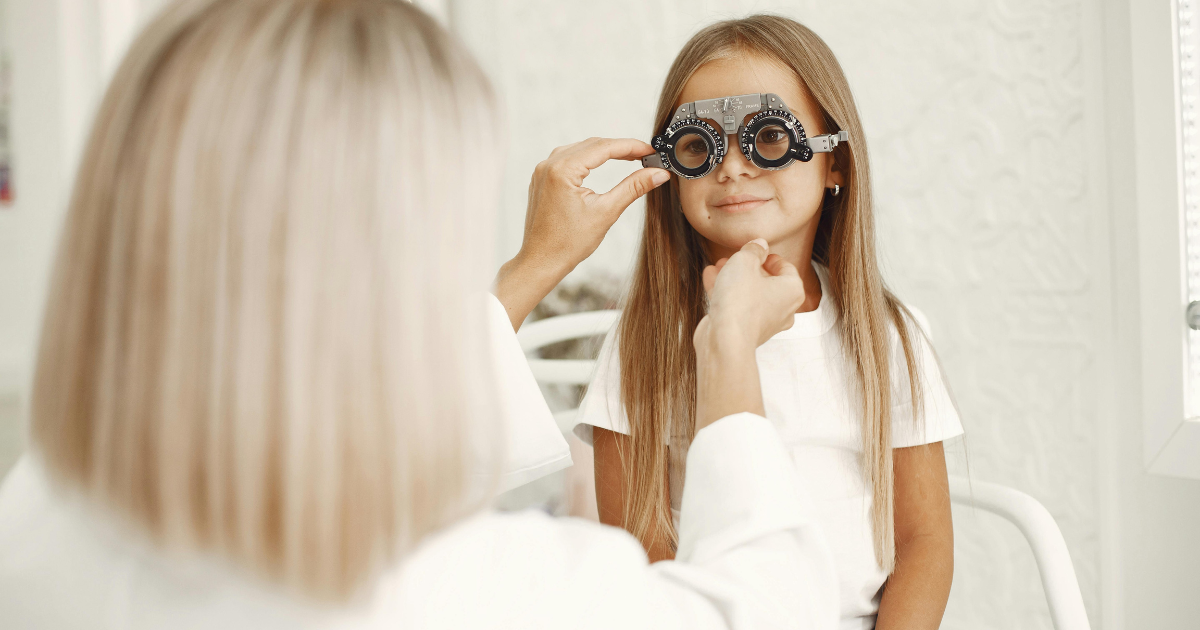
Growing Eyes: Children’s Eye Exams in San Juan Capistrano
Children’s eye exams in San Juan Capistrano, CA can evaluate developing visual skills that a brief screening or a child’s ability to read an eye…

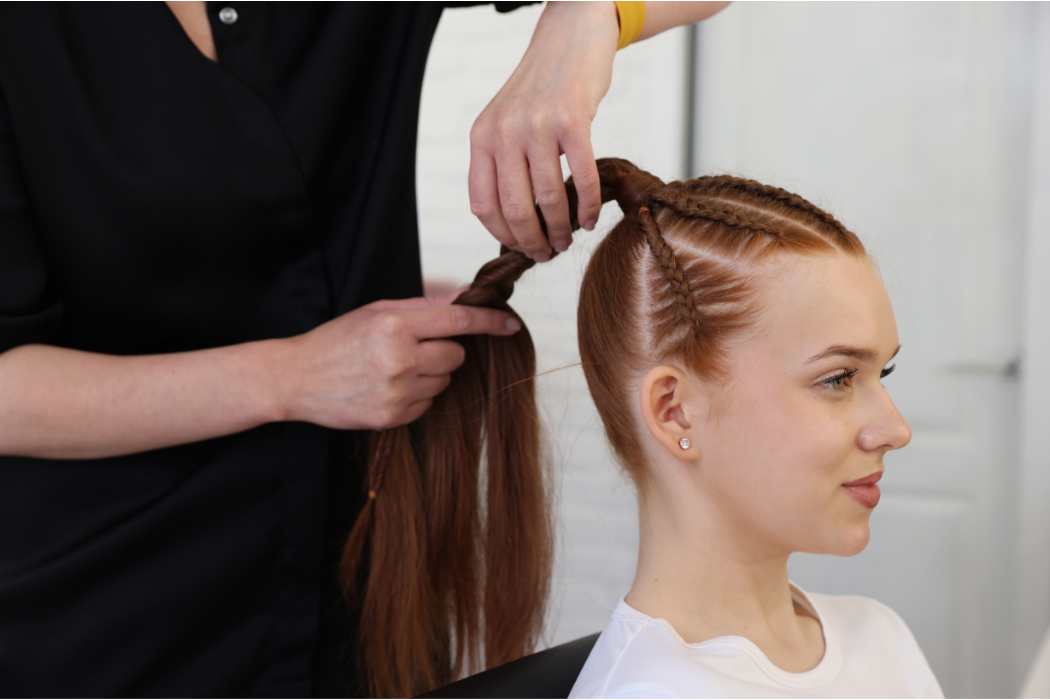
A Hair salon provides its greatest value when creative judgment is supported by careful assessment, transparent communication, appropriate safety practices, and realistic expectations.
Beauty advice often travels through dramatic before-and-after photographs, product claims, and trend-driven language. These sources can inspire ideas, but they do not reveal how a service will affect every person’s hair. Texture, density, chemical history, scalp condition, styling habits, and maintenance preferences can all change the appropriate approach.
Evidence-informed salon care does not require turning a beauty visit into a laboratory experiment. It means making decisions from the best information available, acknowledging uncertainty, and distinguishing cosmetic improvement from medical treatment.
The consultation is the foundation of a responsible service plan. According to the U.S. Bureau of Labor Statistics, hairstylists commonly inspect hair and scalp, discuss hairstyle options, perform chemical services, disinfect tools, and advise clients about home care.
A useful consultation considers both the desired appearance and the condition of the starting hair. The stylist needs enough information to identify potential conflicts, estimate the work involved, and explain which results are realistic.
Clients should be prepared to discuss:
This history matters because chemical work can remain relevant long after the visible color has faded. Hair that appears dark and healthy may still contain old lightener, permanent dye, or smoothing chemistry through its mid-lengths and ends.
Words such as repair, restore, strengthen, detoxify, and rejuvenate appear frequently in beauty marketing. They can describe cosmetic effects, but consumers should ask what each claim means in practical terms.
The U.S. Food and Drug Administration distinguishes cosmetics from drugs according to intended use. A cosmetic is generally intended to cleanse, beautify, or alter appearance. A product promoted to treat disease or affect a bodily structure or function may instead meet the legal definition of a drug.
A conditioning service may make hair feel softer, look shinier, or become easier to detangle. It cannot diagnose the cause of sudden shedding or cure a scalp disorder. Similarly, a stylist can identify visible breakage or irritation, but medical concerns should be referred to an appropriate healthcare professional.
Before adding a treatment, replace broad promises with specific questions:
Clear answers make it easier to evaluate value without expecting a cosmetic product to perform like medical care.
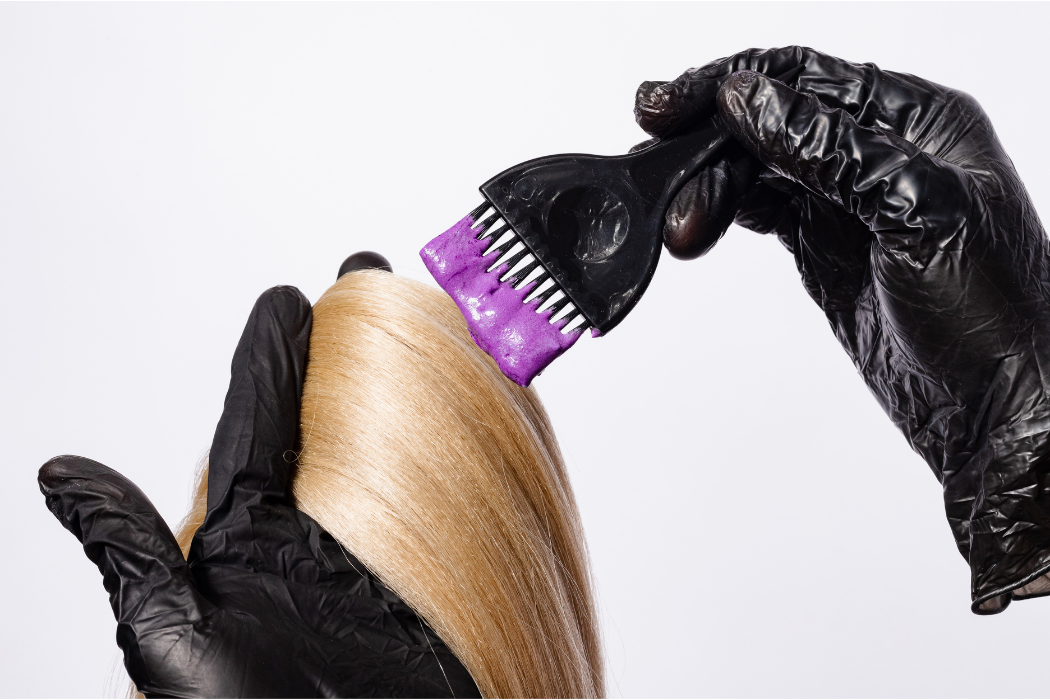
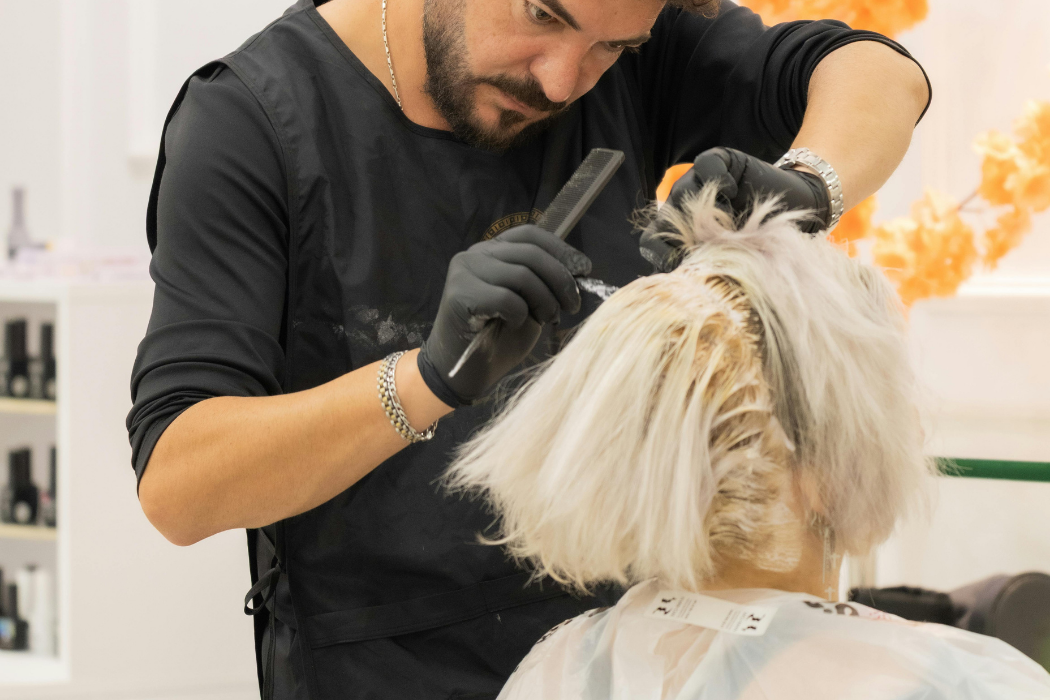
Hair color is not simply a matter of selecting a shade. The process may involve lifting existing pigment, depositing new color, adjusting tone, or correcting previous applications. The condition of the hair influences how aggressively any of these steps should be performed.
The American Academy of Dermatology explains that substantial lightening generally requires stronger peroxide and may cause more damage. This is one reason a major transformation may need to be divided into several sessions.
Evidence-informed planning considers the complete exposure pattern rather than evaluating one service in isolation. Repeated lightening, frequent hot-tool use, tight styling, and rough detangling can create a different risk profile than occasional color on gently handled hair.
Clients should also take reactions seriously. The FDA recommends following product warnings and completing the instructed patch test before every hair-dye application. Previous use without a problem does not guarantee that a future reaction will not occur.
For color correction or a significant lightening project, a test strand can provide useful information about lift, tone, processing time, and visible resilience. It does not predict every possible outcome, but it can expose problems before an entire head of hair is treated.
A responsible plan may produce one of several conclusions:
Declining or modifying a service can be evidence of professional judgment rather than a lack of ability.
A technically careful service can still be undermined by damaging home habits. Excessive heat, forceful brushing, and continually tight hairstyles may contribute to breakage.
The American Academy of Dermatology recommends limiting heat and adjusting handling according to texture. For example, wet hair generally requires gentle treatment, while tightly curled or textured hair may be easier to detangle when wet.
Home-care guidance should therefore reflect the client’s actual routine. A long product list is less useful than a small number of prioritized changes that the person can maintain.
Extensions can create length, fullness, or strategic density, but their success depends on more than the initial appearance. Attachment weight, placement, natural-hair density, maintenance timing, and removal technique all matter.
The American Academy of Dermatology warns that tightly installed extensions can contribute to breakage and traction-related hair loss. Persistent pain, headaches, bumps, or excessive pulling should not be treated as normal.
Before installation, clients should understand:
A well-blended result is important, but protecting comfort and avoiding unnecessary tension are equally meaningful measures of quality.
Terms such as keratin treatment and smoothing service can refer to different formulas and processes. Consumers should ask for the product name, expected cosmetic effect, application procedure, heat requirements, maintenance instructions, and anticipated duration.
The Occupational Safety and Health Administration reports that certain smoothing products may contain or release formaldehyde during use. OSHA’s guidance emphasizes labels, safety data, ventilation, training, and protective equipment for workplaces using relevant products.
A vague claim that a formula is safe or natural is not a substitute for product-specific information. Clients who experience eye irritation, breathing discomfort, burning, or another unexpected reaction should communicate immediately.
The finished photograph captures only one moment. A more complete evaluation considers how the result performs after washing, styling, environmental exposure, and new growth.
Useful outcome measures may include:
Consistent records can improve future decisions. Formulas, processing observations, photographs, product reactions, and client feedback provide a clearer foundation for the next service.
Level 7 Salon in Atlanta’s Midtown area presents its services around individualized consultation and focused attention. Its published menu includes haircuts, color, highlights, balayage, Hairtalk tape-in extensions, body waves, keratin treatments, deep conditioning, styling, and selected waxing services.
The salon states that it does not double-book clients and that its stylists participate in ongoing advanced training. Its service menu also explains that listed prices are starting amounts and may vary with the stylist, time demand, hair length, and hair condition.
Those disclosures are useful because customized work cannot always be assessed from a service name alone. Time, material use, starting condition, and technical complexity may all affect the plan.
Consumers can research individual and facility credentials through the Georgia Secretary of State’s professional license verification system. Current services, prices, product suitability, scheduling requirements, and policies should be confirmed directly with the business.
Evidence-informed salon care combines technical knowledge with honest communication and individualized judgment. It does not promise perfect certainty, because hair can respond differently even when a service is carefully planned.
Its value lies in reducing avoidable uncertainty. When assessment, product safety, realistic claims, professional boundaries, home care, and follow-up work together, clients can make choices based on more than a trend or an appealing photograph. The result is a salon experience that supports both creativity and informed decision-making.