Why Hair History Matters More Than Trend Labels
Why Hair History Matters More Than Trend Labels A Hair salon consultation becomes more useful when it examines the condition and history of the hair…

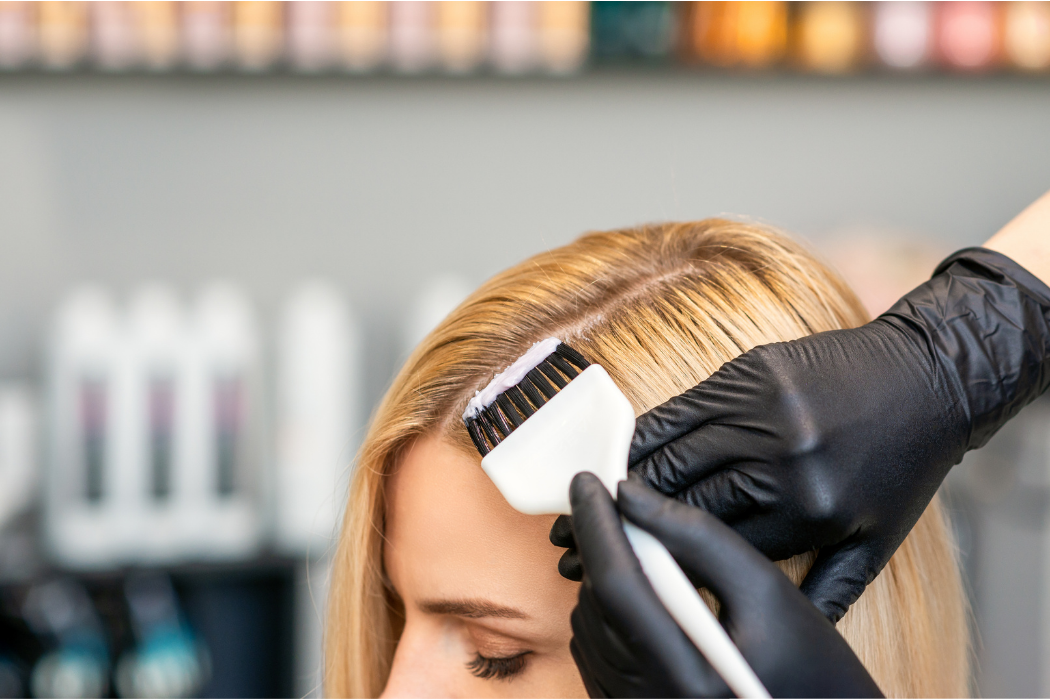
A Hair salon consultation should do more than identify an attractive photograph because successful results depend on hair history, fiber condition, technique, maintenance, and realistic expectations.
Hair services occupy an interesting space between science and artistry. Chemistry influences how color develops, mechanical forces affect extensions, and heat changes the condition of the hair fiber. Yet no laboratory finding can determine which shade will flatter an individual or how a haircut should move.
The most reliable approach combines technical knowledge with careful observation and clear communication. Understanding what the evidence can and cannot establish helps consumers make better decisions about color, extensions, smoothing services, and home care.
Hair may look simple from the outside, but each strand has a layered structure. Its outer cuticle protects the inner cortex, which contributes much of the fiber’s strength, elasticity, and color. Chemical processing, friction, ultraviolet exposure, and repeated heat can change these structures over time.
A clinical review of hair cosmetics archived by the National Library of Medicine explains how shampoos, conditioners, dyes, and straightening products interact with the hair and scalp. One important lesson is that different products perform different functions. A conditioner can improve lubrication and reduce friction, but cosmetic treatment cannot always reverse accumulated structural damage.
Recent research into oxidative damage in colored and bleached hair fibers also found that bleaching produced greater losses in mechanical resistance than oxidative coloring under the conditions studied. This does not mean lightening should always be avoided. It means the desired amount of lift should be considered alongside the hair’s starting condition and processing history.
A strong consultation gathers information before a formula, extension method, or treatment is selected. Inspiration images are useful, but they represent only the desired destination. They do not reveal the model’s natural color, previous processing, density, texture, styling method, lighting, or use of added hair.
Useful consultation information includes:
Clients should disclose old color even when it appears to have faded. Pigment or structural changes may remain in the lengths and affect how evenly the hair responds. A strand test can sometimes reduce uncertainty by showing how a small section reacts, although it cannot guarantee identical behavior across the entire head.
The visual language used to describe color can be subjective. “Warm,” “natural,” “bright,” and “lived-in” may mean different things to different people. Photographs can make the conversation more precise, especially when several examples show the preferred depth, placement, and tone.
The American Academy of Dermatology advises that greater lightening generally requires stronger processing and can cause more damage. A dramatic transition from dark color to a pale result may therefore require staged sessions or a revised goal that preserves more of the hair’s condition.
Before color begins, ask:
Safety history also matters. The Food and Drug Administration provides consumer guidance about hair-dye reactions and safe product use. Tell the stylist about previous burning, itching, swelling, blistering, or breathing problems associated with color products. A formula that was tolerated in the past does not make future reactions impossible.
Extension marketing often emphasizes length, volume, and seamless blending. Those qualities matter, but responsible evaluation should also consider the natural hair supporting the added weight.
Method names alone cannot establish suitability. Density, strand strength, scalp sensitivity, placement, row weight, installation technique, and maintenance habits influence how an extension system performs. The wearer should understand how to wash, dry, detangle, sleep, and return for repositioning or removal.
The American Academy of Dermatology recommends precautions to reduce damage from extensions and weaves. Persistent pain, headaches, bumps, or excessive pulling should not be accepted as a normal adjustment period.
A useful extension consultation should answer:
Terms such as keratin treatment, smoothing service, and frizz control do not identify one standardized process. Formulas, heat requirements, expected texture changes, longevity, and aftercare can vary substantially.
The Occupational Safety and Health Administration reports that certain hair-smoothing products may contain or release formaldehyde, including some products marketed with misleading claims. Consumers should ask for the exact product name instead of relying on a general service category.
Questions should cover ventilation, processing steps, heat levels, compatibility with previous color, expected reduction in curl or frizz, and restrictions after the service. The goal is not to assume every smoothing product is unsafe. It is to make a product-specific decision based on transparent information.
Hair-care marketing frequently uses phrases such as repairing, strengthening, detoxifying, clean, natural, or professional grade. Some products can meaningfully improve manageability, reduce friction, protect against heat, or help maintain color. However, broad marketing language is not the same as evidence for a particular result.
The FDA explains that cosmetic labeling generally does not require agency approval before products enter the market. Consumers should therefore ask what a recommended product is intended to do and how it fits the specific routine.
A practical product discussion should identify:
A shorter routine with clear purposes is often easier to evaluate than a large collection introduced simultaneously.
Stylists can observe breakage, sensitivity, or visible scalp changes, but they do not replace medical diagnosis. Sudden shedding, distinct bald patches, persistent burning, intense itching, sores, swelling, or drainage may require evaluation by a qualified healthcare professional.
The American Academy of Dermatology describes several patterns and symptoms that can accompany hair loss. When symptoms suggest a scalp disorder or unexplained loss, postponing an elective chemical or extension service may be the more responsible choice.
This distinction protects both expectations and health. A cosmetic service can change color, texture, shape, or fullness, but it should not be presented as treatment for an undiagnosed medical condition.
Located at 11362 San Jose Boulevard, Suite 12, in Jacksonville’s Mandarin area, Level and Tone Salon publicly emphasizes consultation and personalized planning as parts of its guest experience.
The salon lists precision haircuts, root refreshes, all-over color, highlights, lived-in color, glossing, corrective color, and customized transformations. Its services also include deep-conditioning and bond-building options, keratin smoothing, and Invisible Bead Extensions® for clients seeking added length or volume.
New guests can submit goals, concerns, and inspiration photographs through a virtual consultation. For extensions, the salon describes a planning process that covers color matching, row requirements, timing, pricing, aftercare, and future move-up services. This approach recognizes that the installation is only one phase of an ongoing extension plan.
Consumers may also research salon and professional credentials through the Florida Department of Business and Professional Regulation’s license-verification resources.
The salon finish provides immediate visual information, but the most meaningful assessment happens after the hair has been washed and styled under normal conditions.
Evidence-informed hair care does not remove creativity from the salon experience. It gives creativity a stronger foundation. When chemical history, structural limits, product information, maintenance requirements, and personal preferences are considered together, clients can pursue meaningful changes with clearer expectations and a more sustainable plan.