Why Hair History Matters More Than Trend Labels
Why Hair History Matters More Than Trend Labels A Hair salon consultation becomes more useful when it examines the condition and history of the hair…

A Hair salon recommendation becomes more useful when the client understands what supports the plan, what remains uncertain, and how the result will perform after ordinary washing and styling.
Hair services combine chemistry, technical skill, visual judgment, and personal preference. This makes them difficult to evaluate through photographs or trend descriptions alone. The same formula, haircut, or extension method can produce different outcomes because hair histories, textures, densities, routines, and goals vary.
An evidence-informed approach does not eliminate creativity. It gives the client and stylist better information for choosing an appropriate service, anticipating tradeoffs, and evaluating the result realistically.
Good decisions start by separating useful evidence from persuasive marketing. For salon services, evidence may include the condition of the hair, its previous chemical exposure, the ingredients and instructions associated with a product, professional observations, and the client’s experience after the service.
A clinical review of hair cosmetics archived by the National Library of Medicine explains that shampoos, conditioners, dyes, straighteners, and other products interact with the hair and scalp in different ways. No single category or ingredient can address every concern.
A thorough consultation should therefore document:
This information creates a baseline. Without it, even a technically well-performed service may not fit the client’s hair or lifestyle.
An inspiration photograph demonstrates a desired effect, but it does not reveal the complete process behind that effect. Lighting, filters, extensions, professional styling, starting color, and previous treatments may all influence what appears on screen.
Instead of asking whether a photograph can be copied, identify the features that make it appealing. These might include brightness around the face, movement through the ends, reduced bulk, strong contrast, added fullness, or a softer transition at the roots.
Several images are more informative than one. Bring examples showing what you like, what you dislike, and how the preferred color appears under different lighting. This allows the stylist to identify a consistent pattern rather than trying to reproduce one possibly edited result.
A useful goal should include more than appearance immediately after styling. Ask whether the finished result should:
These criteria make it easier to determine whether a recommendation truly solved the original concern.
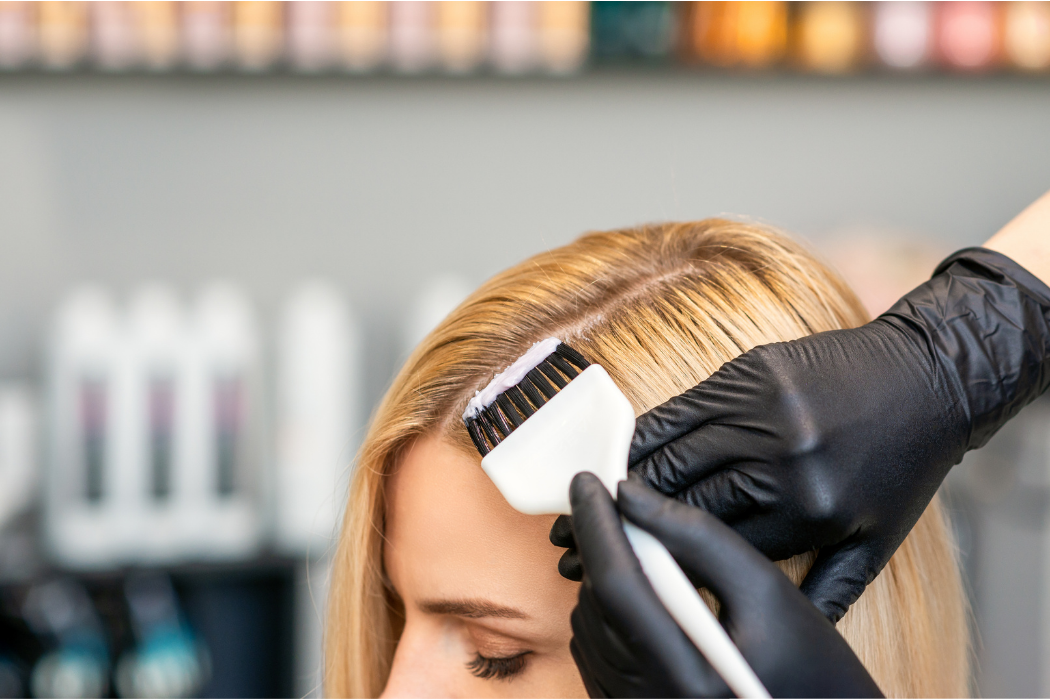
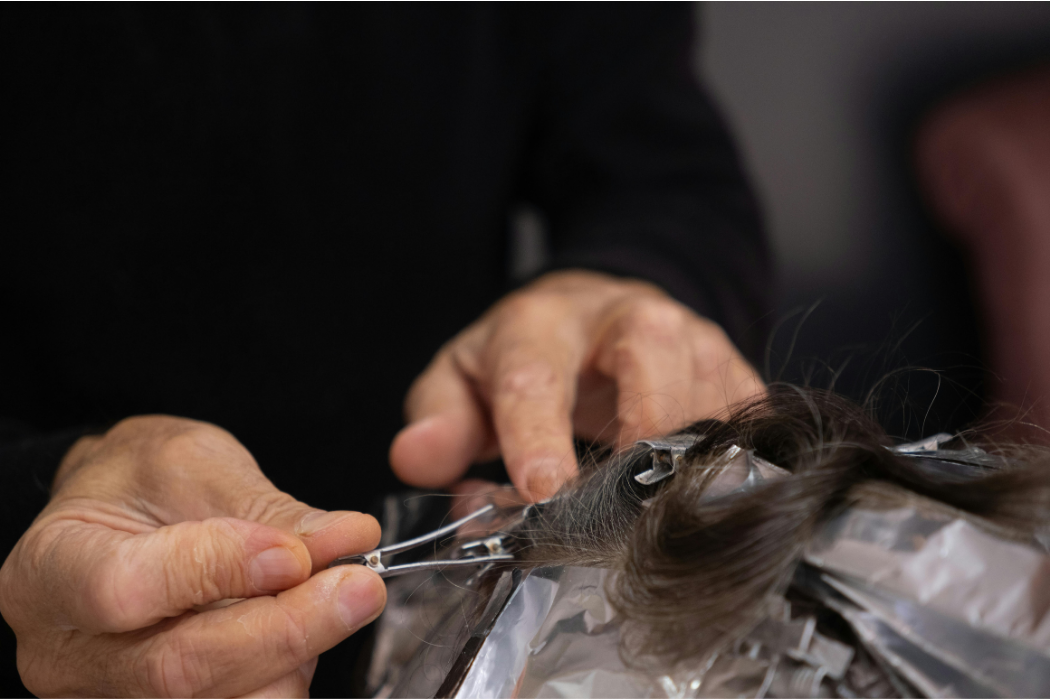
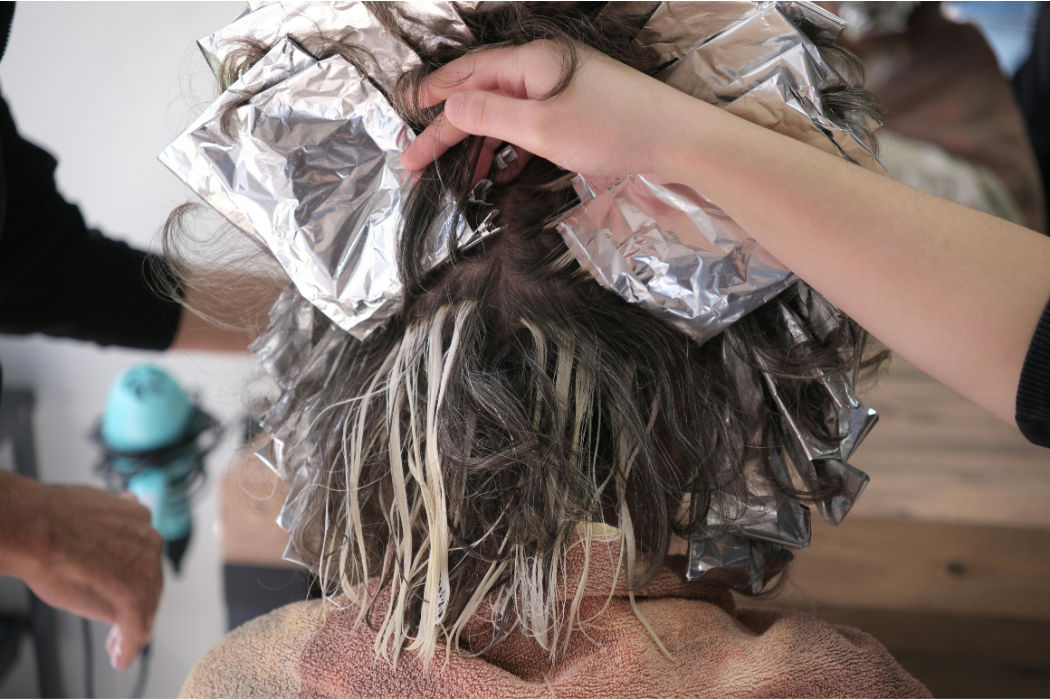
Hair color is not applied to a blank surface. Previous permanent dye, bleach, temporary pigment, mineral deposits, and heat exposure may affect how different sections respond. A color that appears faded can still influence the next lightening or corrective service.
The American Academy of Dermatology notes that substantial lightening generally requires stronger processing and can cause more damage. This is one reason a dramatic transformation may need to be divided into stages.
Clients should ask what is being changed during each session. Is the service lifting natural pigment, removing artificial color, depositing a new tone, correcting unwanted warmth, or creating visual dimension? The answer helps clarify the expected result and the limits of one visit.
Reactions must also be taken seriously. The U.S. Food and Drug Administration provides guidance about hair-dye safety and possible allergic reactions. Previous burning, swelling, itching, blistering, or breathing difficulty should be disclosed before another color service, even if later applications caused no apparent problem.
Terms such as keratin treatment, straightening, smoothing, and frizz control do not describe one standardized procedure. Products differ in ingredients, heat requirements, expected texture changes, longevity, and aftercare.
Before selecting a smoothing service, request:
The FDA reports that certain smoothing products can release formaldehyde when heated. Product-specific information is therefore more valuable than assuming that all treatments marketed under the same general category have identical ingredients or risks.
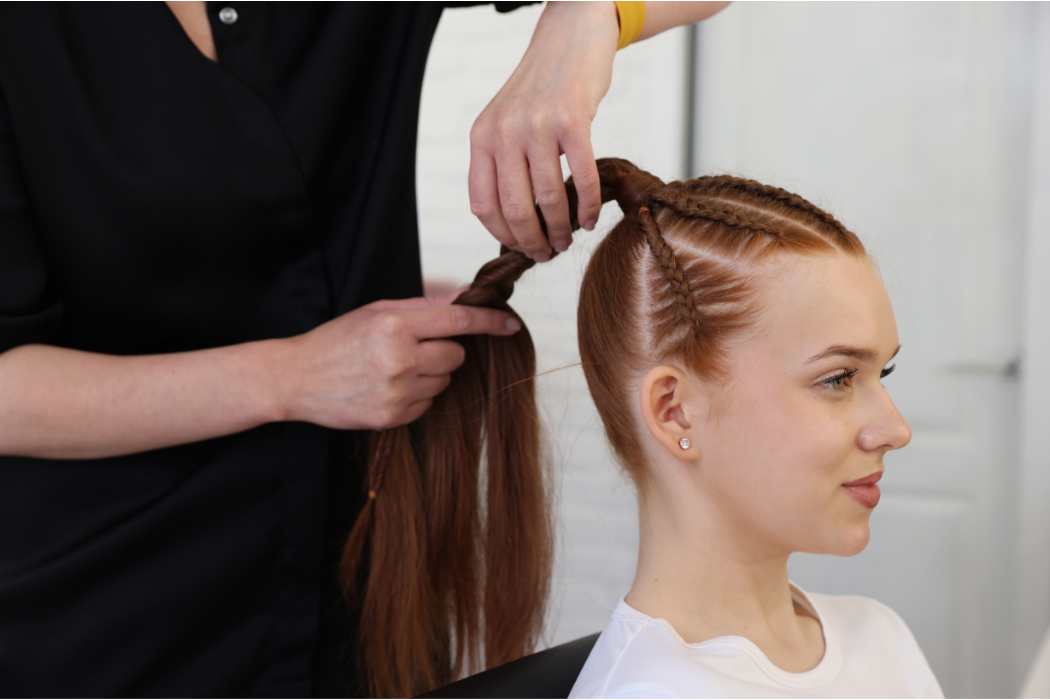
Extensions can provide length, but they may also add density, strengthen the perimeter of a haircut, or introduce dimensional color. Their success depends on more than the appearance of the installation.
The natural hair must support the added weight, and the wearer must be able to follow the required washing, drying, detangling, and maintenance routine. The proposed method should be evaluated alongside density, strand strength, scalp sensitivity, placement, and daily styling habits.
The American Academy of Dermatology warns that excessive pulling from extensions can contribute to breakage and traction-related hair loss. Pain, persistent tightness, headaches, bumps, or irritation should prompt reassessment rather than being accepted as unavoidable.
A responsible extension plan should explain the amount of added hair, attachment locations, maintenance interval, removal process, replacement costs, and symptoms that warrant an earlier visit.
Hair products often promise repair, restoration, detoxification, strengthening, or transformation. Some formulas can improve lubrication, reduce friction, protect against heat, deposit conditioning ingredients, or make damaged hair easier to manage. These benefits do not necessarily mean that the product permanently reverses structural damage.
The FDA explains how cosmetic labeling claims are regulated. Consumers should look beyond broad terms such as “natural,” “clean,” “professional,” or “restorative” and ask what the product is expected to do in their particular routine.
For each recommendation, ask:
Introducing products individually can make their effects easier to evaluate. Adding several new formulas simultaneously makes it difficult to identify what improved manageability or caused buildup, dryness, or irritation.
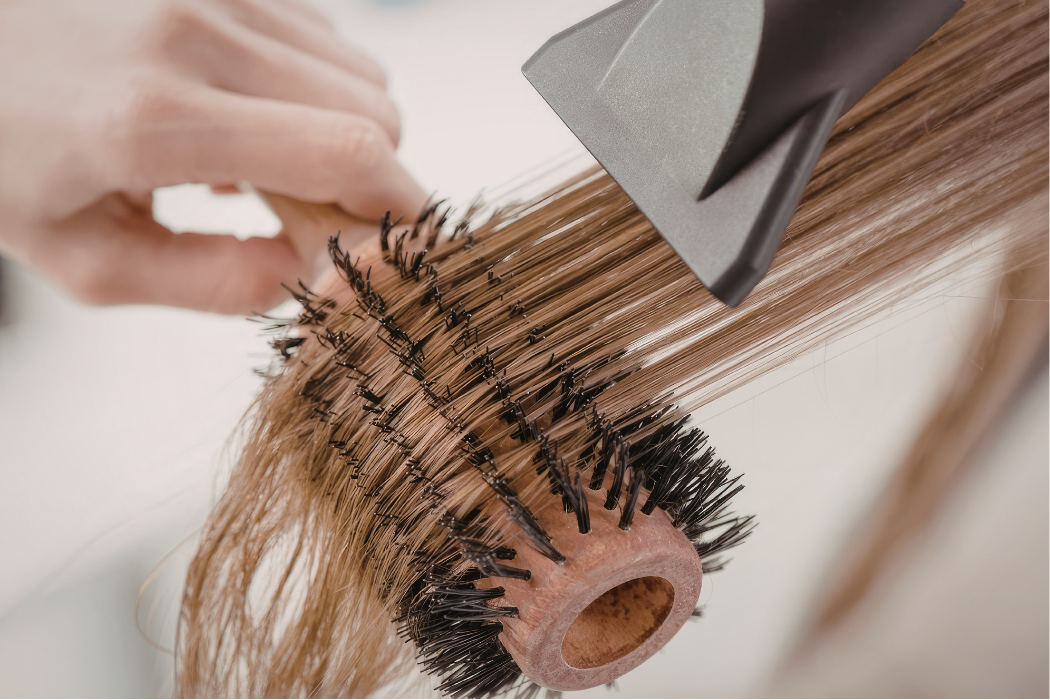
The professional finish is only the first observation point. A more complete evaluation happens after the client has washed and styled the hair at home.
Useful measures include styling time, detangling difficulty, extension comfort, color fading, frizz behavior, breakage, and the amount of product required. Photographs taken in consistent indoor and natural lighting can reveal changes more reliably than images captured under unrelated conditions.
Keep brief notes for the first several washes. If the result is close but not ideal, specific feedback such as “the face frame feels too bright in daylight” is more actionable than saying the color simply feels wrong.
Stylists can observe visible changes in the hair and scalp, but a salon service cannot diagnose or treat an unexplained medical condition. Sudden shedding, bald patches, persistent pain, sores, intense itching, swelling, or drainage may require evaluation by a healthcare professional.
The American Academy of Dermatology provides information about different forms and warning signs of hair loss. Postponing elective extensions, color, or chemical processing may be appropriate until concerning symptoms have been assessed.
Located at 6652 Telegraph Road in Bloomfield Hills, Michigan, Liquid Salon has operated since 2005 and publicly emphasizes customized services, continuing education, and at-home maintenance guidance.
Its published menu includes haircuts and styling, single-process color, highlights, balayage, toning, texture services, conditioning treatments, and multiple extension options. The salon lists tape-in, micro-link, and clip-in extensions, with consultation required for extension services.
The salon also identifies L’Oréal Professionnel Color, Kérastase, Shu Uemura, Repechage, and Olaplex among its professional brand partners. Brand recognition can provide useful context, but the suitability of any product or service still depends on the client’s history, goals, and maintenance capacity.
Michigan consumers can research professional and business credentials through the state’s official license-verification resource.
An informed salon decision is not simply the most dramatic option or the newest technique. It is the service that has a clear purpose, fits the available evidence, respects the condition of the hair, and remains manageable after the professional styling is gone.