Why Hair History Matters More Than Trend Labels
Why Hair History Matters More Than Trend Labels A Hair salon consultation becomes more useful when it examines the condition and history of the hair…

A Hair salon consultation becomes more useful when it examines the condition and history of the hair instead of relying only on a photograph or popular service name.
Two people can request the same balayage, layered cut, smoothing treatment, or extension method and receive noticeably different recommendations. This variation is not necessarily inconsistency. Hair fibers differ in texture, density, diameter, previous chemical exposure, weathering, and daily care.
Understanding these variables helps clients set realistic goals, compare services intelligently, and protect the appearance of their results between visits.
The visible hair shaft consists largely of keratinized material. Its outer cuticle helps protect the inner cortex, which contributes much of the fiber’s strength, elasticity, and color. A detailed scientific review of hair structure and degradation explains how chemical treatments, heat, ultraviolet exposure, grooming, and environmental stress can progressively alter these structures.
This means that hair does not return to an untouched starting point after color fades or a treatment wears away. The oldest ends may have experienced years of washing, brushing, sunlight, hot tools, and chemical processing, while the newer growth near the scalp has a much shorter history.
A stylist may therefore recommend different formulas, processing strategies, or cutting techniques for separate areas of the same head.
Information that seems insignificant may change the plan. Temporary pigments, root sprays, mineral deposits, and old color beneath darker dye can all affect the predictability of a future transformation.
Porosity generally describes how readily hair takes in and releases water or other substances. It is often discussed as though every person has one fixed porosity level. In practice, the condition can vary along the strand and across different sections.
Previously lightened ends may absorb color or conditioning products differently from untreated roots. Hair around the face may also be more weathered because it receives greater exposure to styling tools, sunlight, and handling.
Simple home tests, such as placing loose strands in water, cannot capture every variable affecting how hair behaves. Product residue, natural oils, trapped air, and differences between individual strands can influence what the client observes.
A more practical approach is to consider several signs together:
These observations are most valuable when combined with professional assessment and a complete service history.
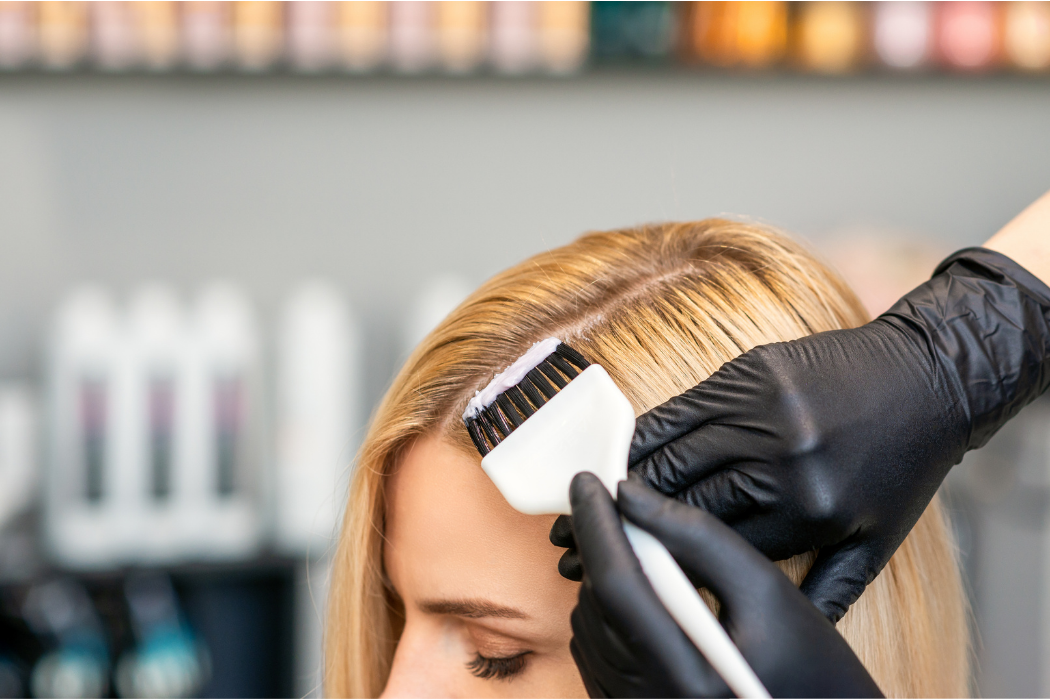
Color terminology describes a technique or visual effect, not a guaranteed outcome. Balayage, highlights, dimensional color, gray coverage, and blonding must all be adapted to the existing base, artificial pigment, strand condition, density, and desired maintenance schedule.
Substantial lightening generally places more stress on the fiber than a smaller color shift. The American Academy of Dermatology advises that dramatic lightening can be more damaging because it requires stronger processing.
A staged plan may therefore be more appropriate than attempting the final photograph in one session. The first visit might prioritize evenness and removal of unwanted pigment. Later sessions can refine brightness, contrast, and tone while monitoring how the hair responds.
The appearance immediately after styling is only one point in the color cycle. Before proceeding, ask about:
Clients should also disclose previous reactions. The U.S. Food and Drug Administration provides safety information about hair dyes, including precautions related to sensitivity and product use. Burning, swelling, blistering, severe itching, or breathing symptoms should never be dismissed as a normal part of coloring.
Photographs show the outline of a haircut, but they rarely reveal the density, natural movement, styling process, or added hair behind the finished image. A layered cut that creates movement in dense hair could make a fine perimeter appear thinner if copied without adaptation.
A useful cutting consultation considers how the hair behaves when wet, dry, air-dried, heat-styled, parted differently, or pulled back. Cowlicks, shrinkage, curl pattern, and areas of lower density can all influence where weight should be preserved or removed.
Clients should explain their real routine rather than the routine they hope to adopt someday. If only ten minutes are available in the morning, the haircut should be planned around that limit.
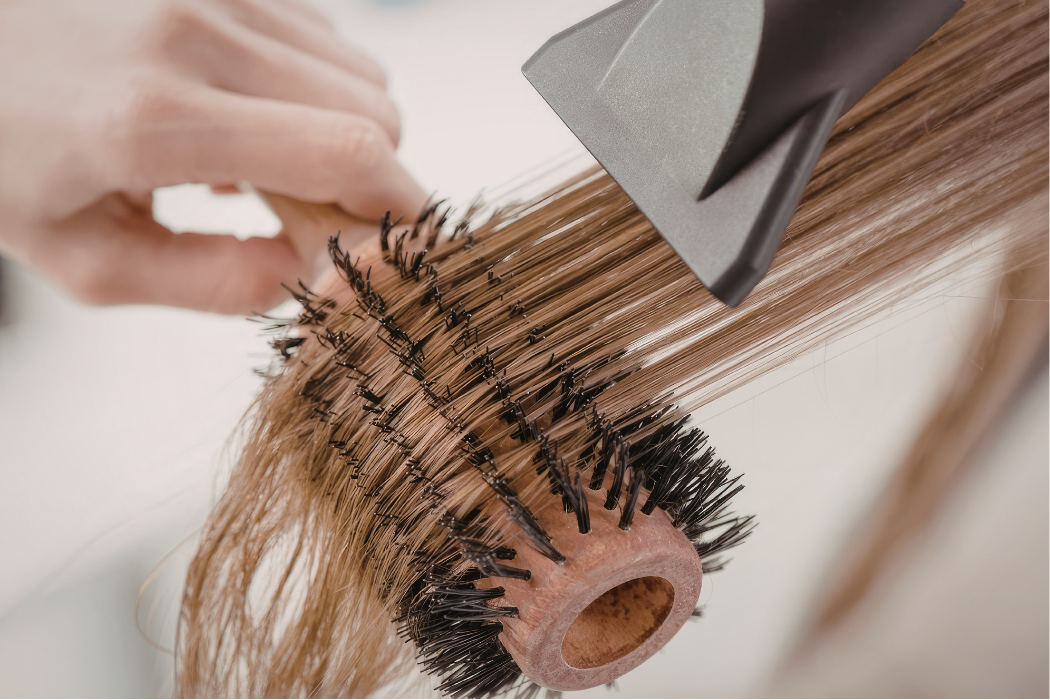
The American Academy of Dermatology identifies rough handling and repeated high heat among practices that can damage hair. An effective cut should make everyday styling more manageable without requiring aggressive brushing or maximum heat.
Keratin treatment, smoothing service, frizz control, and straightening are broad categories rather than standardized formulas. Products can differ in ingredients, application procedures, heat requirements, expected texture change, longevity, and compatibility with color.
Before selecting a treatment, ask for the exact product name and intended result. Clarify whether it is expected to reduce frizz, loosen curl, shorten blow-drying time, or permanently alter texture.
The Occupational Safety and Health Administration reports that some hair-smoothing products may contain or release formaldehyde. This makes ventilation, product labeling, manufacturer instructions, and informed discussion important. A reassuring category name should not replace specific information about the formula being used.
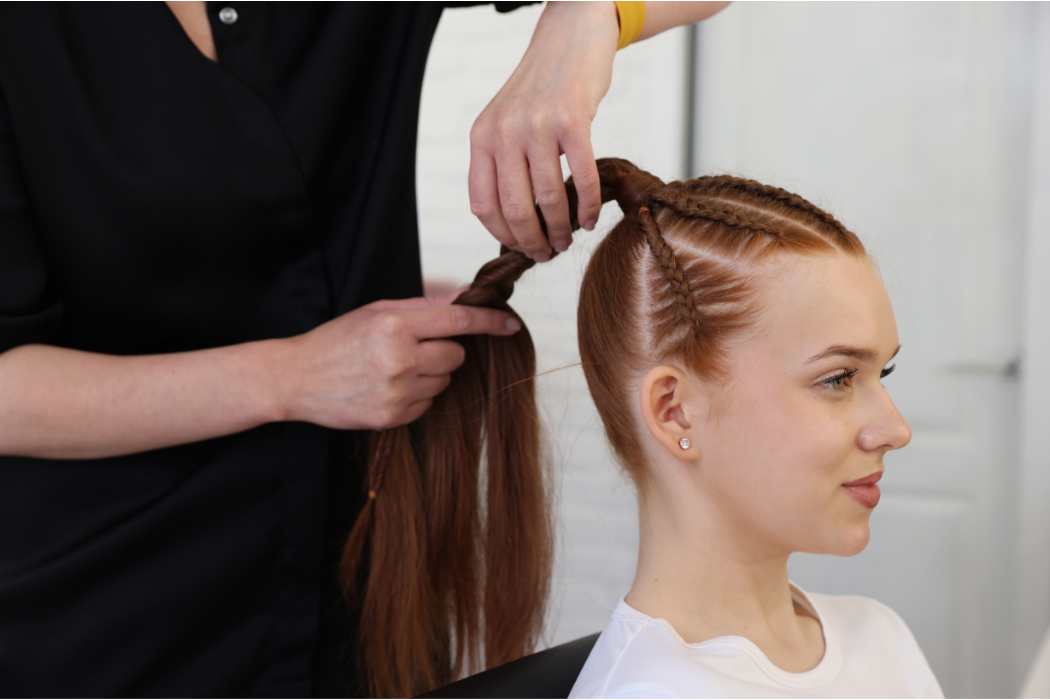
Extensions can add length, but they can also improve fullness, reinforce a sparse perimeter, or introduce color without lightening natural strands. The installation is only one part of the service.
A complete plan should cover:
The natural hair and scalp must also tolerate the added weight and attachment. The American Academy of Dermatology recommends avoiding excessive tension from extensions. Persistent pain, headaches, bumps, or pulling should be evaluated promptly rather than accepted as part of the process.
Scalp-focused services may help remove buildup, support cleansing, and create a relaxing experience. Magnified imaging can also help clients see visible oil, flakes, or residue that would otherwise be difficult to examine.
However, cosmetic observations are not medical diagnoses. Sudden shedding, smooth bald patches, sores, drainage, persistent pain, or severe itching may require assessment by a qualified healthcare professional. The American Academy of Dermatology offers an overview of hair-loss conditions and warning signs for consumers seeking reliable introductory information.
Elective chemical services or extensions may need to be postponed until unexplained symptoms have been evaluated.
Located at 703 Mt. Auburn Street in Cambridge, Massachusetts, Lola Hair Studio serves clients from Cambridge, Watertown, Belmont, Arlington, Boston, and surrounding communities.
Its published services include precision haircuts, blowouts, dimensional color, balayage, blonding, glazes, color transformations, fantasy color, hair treatments, scalp-wellness rituals, and Bellami hair extensions. The studio states that services begin with consultation and are adapted to the client’s goals, hair type, preferences, and lifestyle.
That consultation-based structure is relevant because an identical service name does not mean every guest should receive an identical procedure. The studio also offers virtual consultations and stylist matching, providing additional ways to share goals and service history before a major change.
Consumers who want to research professional credentials can use the official Massachusetts cosmetology and barbering license-verification resource.
Research cannot select a hairstyle or replace an experienced professional’s visual judgment. It can, however, explain why personalization matters. When the service plan accounts for fiber condition, chemical history, comfort, and everyday habits, the finished result has a stronger chance of being attractive, practical, and sustainable.