Eye allergy testing in Houston, TX can help determine whether environmental allergens are contributing to persistent itching, watering, redness, or irritation. These symptoms are common, but they are not always caused by allergies. Dry eye disease, contact lens irritation, infection, eyelid inflammation, and other eye conditions can produce similar discomfort.
An evaluation that combines medical history, an eye examination, and appropriate allergy testing can provide more useful information than treating symptoms through guesswork. Identifying a likely trigger may also help the healthcare provider recommend a more targeted management plan.
What Causes an Eye Allergy?
Eye allergies, also called allergic conjunctivitis, occur when the immune system reacts to a substance that is normally harmless. When an allergen reaches the surface of the eye, immune cells can release histamine and other inflammatory substances. This reaction may cause itching, redness, swelling, and excessive tearing.
Common environmental triggers include:
- Tree, grass, and weed pollen
- Mold spores
- Dust mites
- Animal dander
- Indoor dust
- Other airborne particles
Some reactions are seasonal and become worse when pollen or mold levels rise. Others occur throughout the year because the trigger is present indoors. Houston’s warm climate and long growing season may expose residents to changing combinations of pollen, humidity, mold, and indoor allergens.
Common Symptoms of Eye Allergies
Itching is one of the most characteristic signs of an eye allergy. Symptoms frequently affect both eyes and may occur alongside sneezing, nasal congestion, an itchy throat, or a runny nose.
Possible symptoms include:
- Itchy or burning eyes
- Watery eyes
- Redness
- Puffy or swollen eyelids
- A gritty sensation
- Sensitivity to light
- Stringy or watery discharge
- Discomfort while wearing contact lenses
The American Academy of Ophthalmology’s eye-allergy guidance explains that allergic reactions can make the eyes red, swollen, itchy, and watery. However, symptoms alone may not establish the cause.
Why an Eye Examination Matters
It can be difficult to distinguish an allergy from dry eye, infection, or another ocular-surface problem without an examination. Redness and watering, for example, can occur when the eyes are dry because the body produces reflex tears in response to irritation.
An eye doctor may evaluate:
- When symptoms began
- Whether they are seasonal or year-round
- Possible home, work, or outdoor exposures
- Contact lens wear
- Current medications and eye drops
- Associated nasal, respiratory, or skin symptoms
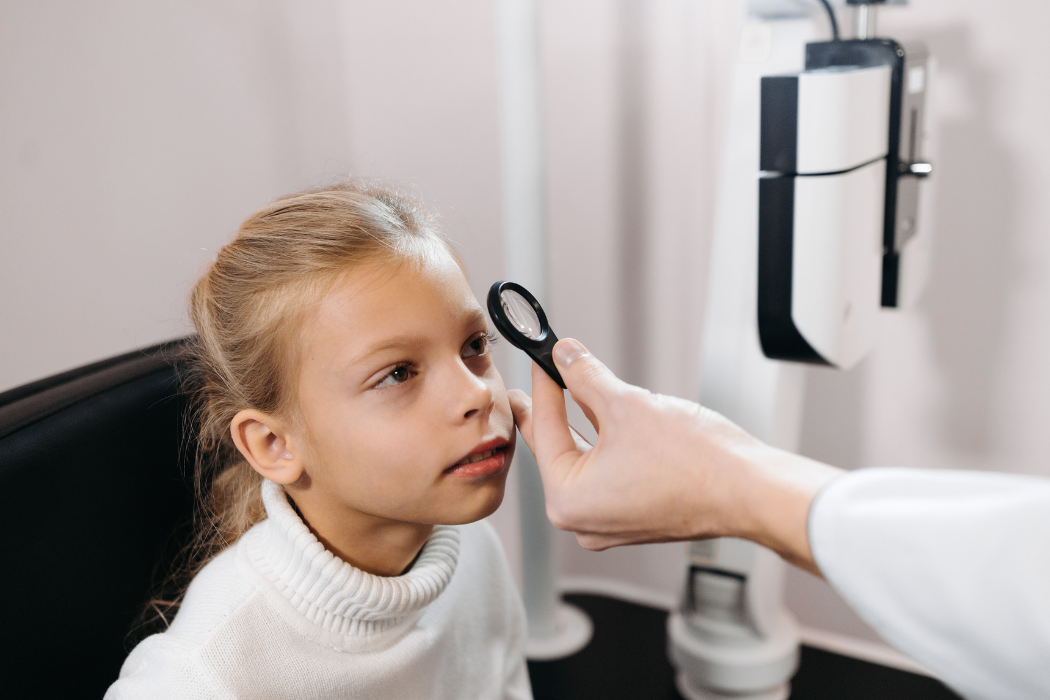
- The eyelids, tear film, conjunctiva, and cornea
This evaluation helps determine whether allergy testing is appropriate and whether more than one condition may be contributing to the symptoms.
What Is Allergy Skin Testing?
Skin testing evaluates whether the immune system has developed sensitivity to particular allergens. During a skin-prick test, small amounts of selected allergenic extracts are placed against the skin using a specialized applicator. The healthcare professional then observes the area for a localized reaction.
A raised, red area may indicate sensitization to the tested substance. Results are interpreted alongside the patient’s symptoms and exposure history. A positive reaction does not automatically prove that the substance causes symptoms in everyday life.
The American Academy of Allergy, Asthma & Immunology provides a detailed overview of how allergy testing is performed and interpreted. The organization emphasizes that testing is most useful when combined with a physical examination and a careful clinical history.
What to Expect During Testing
The exact process depends on the system used and the healthcare provider’s protocol. A typical appointment may include:
- A review of symptoms, health history, and potential triggers
- A discussion of medications that could affect the test
- Application of small amounts of allergens to the skin
- A short waiting period while the test sites are observed
- Measurement and interpretation of any reactions
- A discussion of the results and possible next steps
Pupila’s service information describes a needle-free skin-testing method that screens for numerous common airborne and environmental allergens, including pollen, grass, mold, house dust, and animal dander. The application takes only a few minutes, with reactions generally evaluated approximately 15 to 20 minutes later.
Mild itching, redness, or localized swelling can occur at a positive test site. Serious reactions are uncommon, but allergy testing should be performed in an appropriate medical environment with trained personnel available.
Preparing for an Allergy Test
Certain medications can suppress the skin’s response and interfere with test results. Antihistamines are a common example. Some cold remedies, sleep aids, antidepressants, nasal sprays, and allergy eye drops may also have antihistamine effects.
Patients should provide a complete list of prescription medications, over-the-counter products, supplements, nasal sprays, and eye drops before testing. They should not discontinue a prescribed medication unless the ordering healthcare professional specifically instructs them to do so.
The medical team should also be told about:
- Pregnancy or possible pregnancy
- Asthma, wheezing, or breathing difficulties
- Beta-blocker use, including certain glaucoma drops
- Previous severe allergic reactions
- Fever or current illness
- Skin irritation or recent sunburn near the testing area
Following the clinic’s preparation instructions is important because incomplete medication information can affect both testing accuracy and patient safety.
What the Results Can—and Cannot—Tell You
A positive skin test means the immune system reacted to the allergen under controlled testing conditions. It does not necessarily mean that the allergen is responsible for every symptom or that exposure will always cause a noticeable reaction.
Likewise, a negative result does not rule out every possible allergy or source of irritation. The tested panel may not include every substance, and some conditions that resemble allergies are not allergic at all.
Results are most meaningful when they match a consistent pattern. For example, a pollen reaction may be clinically relevant when a patient develops itchy, watery eyes during the same pollen season. An isolated positive result without matching symptoms may be less significant.
Managing Eye-Allergy Symptoms
Treatment depends on symptom severity, identified triggers, eye-surface findings, medical history, and whether nasal or respiratory symptoms are also present. A personalized plan may include allergen avoidance, environmental changes, eye drops, oral medication, or referral to an allergy specialist.
Practical strategies may include:
- Keeping windows closed when outdoor allergen levels are high
- Washing the face and hair after extended outdoor exposure
- Changing clothes after yard work
- Using clean air-conditioning filters
- Reducing dust accumulation in sleeping areas
- Following appropriate pet-dander control measures
- Avoiding rubbing the eyes
- Applying a clean, cool compress for temporary comfort
Medication should be selected with professional guidance. Some redness-relief drops are not designed for frequent long-term use, and not every allergy medication is appropriate for every patient. Contact lens wearers should ask whether lenses need to be removed during flare-ups or before using prescribed drops.
When Eye Symptoms Require Urgent Care
Typical eye allergies are uncomfortable, but they should not usually cause severe eye pain or a major decline in vision. Prompt medical evaluation is important when symptoms include:
- Sudden or significant vision changes
- Moderate to severe eye pain
- Marked sensitivity to light
- Thick or pus-like discharge
- An eye injury or chemical exposure
- Symptoms affecting only one eye and rapidly worsening
- Severe contact lens-related redness or pain
Difficulty breathing, swelling of the tongue or throat, faintness, or other signs of a severe systemic allergic reaction require emergency medical assistance.
Eye Allergy Evaluation in Houston’s Energy Corridor
Pupila Family Eye & Ear Care provides eye care through multiple Houston-area locations. Its Energy Corridor office is located at 14634 Memorial Drive in Houston, Texas.
The practice offers eye allergy evaluations and skin testing for common airborne and environmental allergens. The process includes reviewing symptoms, performing the test, interpreting reactions in the context of the patient’s history, and discussing individualized management options.
Because eye irritation may involve allergies, dry eye, contact lens complications, or another ocular condition, a comprehensive evaluation can be more informative than relying exclusively on over-the-counter products.
Turn Allergy Guesswork Into Useful Information
Recurring itchy, watery, or red eyes can interfere with work, school, driving, contact lens wear, and time outdoors. Allergy testing may help identify relevant environmental sensitivities, but the test result is only one part of the diagnostic process.
The strongest approach combines the patient’s symptom history, an eye examination, appropriate testing, and careful interpretation by a healthcare professional. With clearer information about possible triggers, patients can take more focused steps toward controlling symptoms while avoiding unnecessary treatments and lifestyle restrictions.