Why a Contact Lens Prescription Is More Than a Lens Power
Why a Contact Lens Prescription Is More Than a Lens Power Effective contact lens exams determine not only what optical correction is needed, but also…

Choosing a Tour operator for a group boat outing requires more than comparing photographs, prices, and drink menus.
A social cruise combines transportation, outdoor recreation, hospitality, weather exposure, and group behavior in a changing marine environment. The most enjoyable experiences are usually supported by careful planning that guests barely notice.
Researching the vessel, operating policies, group requirements, and safety procedures before booking helps everyone arrive prepared. It also allows the organizer to select an experience that genuinely suits the group rather than relying on promotional descriptions alone.
A birthday celebration, sunset cruise, corporate outing, reunion, and bachelorette party may all use the same boat differently. Before contacting an operator, define the group’s priorities.
Useful questions include:
This preparation makes it easier to judge whether the tour’s duration, passenger limit, atmosphere, boarding process, and amenities are appropriate.
A well-run tour is not defined by one piece of equipment. It depends on the vessel, crew, passenger communication, emergency preparation, maintenance, weather decisions, and clear division of responsibilities.
The U.S. Coast Guard Boating Safety Division provides information about navigation rules, accident prevention, safety equipment, boating laws, and passenger responsibilities. Guests do not need to become boating experts, but they should expect the operator to communicate the essential rules before departure.
When comparing companies, ask about:
Life jackets deserve particular attention. The Coast Guard’s life-jacket guidance explains that a recreational vessel must carry an approved wearable personal flotation device for each person aboard. Devices must be appropriately sized, serviceable, and readily accessible.
Guests should listen during the safety briefing even when the water appears calm. Knowing where flotation devices and exits are located takes little time and removes uncertainty during an emergency.
Some social tours offer drinks as part of the onboard experience. Alcohol availability does not remove the need for individual judgment.
The National Institute on Alcohol Abuse and Alcoholism explains that alcohol interferes with brain functions involved in balance, memory, speech, and judgment. Those effects are especially relevant on a moving vessel where surfaces may be wet and passengers may need to follow crew instructions quickly.
The Centers for Disease Control and Prevention’s drowning-prevention guidance advises avoiding alcohol before or during boating and other water activities because it impairs coordination, balance, and judgment.
Group organizers can reduce avoidable risk by:
A designated driver addresses the journey home, but it does not eliminate risks during the cruise itself. Every passenger remains responsible for making choices appropriate to the setting.
Coastal conditions can change more quickly than a general weather application suggests. Wind, thunderstorms, heat, humidity, and tide conditions can affect comfort or require the captain to alter the plan.
The National Weather Service publishes marine forecasts for the waters near Savannah, including wind, waves, warnings, and forecasts by coastal zone. The captain’s decision remains controlling because conditions at the marina or along the route may differ from what a guest sees on a phone.
A rain-or-shine policy does not mean a tour will operate in unsafe conditions. It generally means that light or manageable rain alone may not cancel the departure. Organizers should understand who makes the final weather decision, when guests will be contacted, and what rescheduling options apply.
Heat also requires planning. The CDC recommends staying hydrated, seeking shade when practical, and recognizing symptoms of overheating such as dizziness, headache, weakness, nausea, and unusually heavy sweating. Alcohol can make hydration more difficult, so water should remain available throughout a warm-weather outing.
A practical packing list may include:
Many disappointing tour experiences result from overlooked logistics rather than problems on the water. Confirm the departure location instead of assuming the office, ticket counter, and vessel are at the same address.
Ask how early passengers should arrive, where they should park, and what happens if one person is late. Shared tours may need to depart promptly, while a delayed private group may lose time from its reservation.
Other details worth confirming include:
Share these details with the entire party rather than expecting every guest to find them independently. One concise group message can prevent late arrivals, prohibited items, and unsuitable clothing.
Seeing dolphins or coastal birds can become a memorable part of a Savannah cruise, but wildlife sightings should be treated as possibilities rather than guaranteed entertainment.
NOAA Fisheries recommends observing wild dolphins from at least 50 yards away and warns against feeding, swimming with, pursuing, or harassing them. Feeding changes natural behavior and can encourage dolphins to approach vessels, fishing gear, or propellers.
Georgia’s coastal waters also support sea turtles and seasonally visiting manatees. The Georgia Department of Natural Resources advises boaters to remain alert, respect slow-speed zones, and give marine animals space.
Responsible observation is usually simple: allow the captain to manage the vessel, keep food and drinks away from wildlife, avoid shouting at animals, and appreciate the encounter without trying to control it.
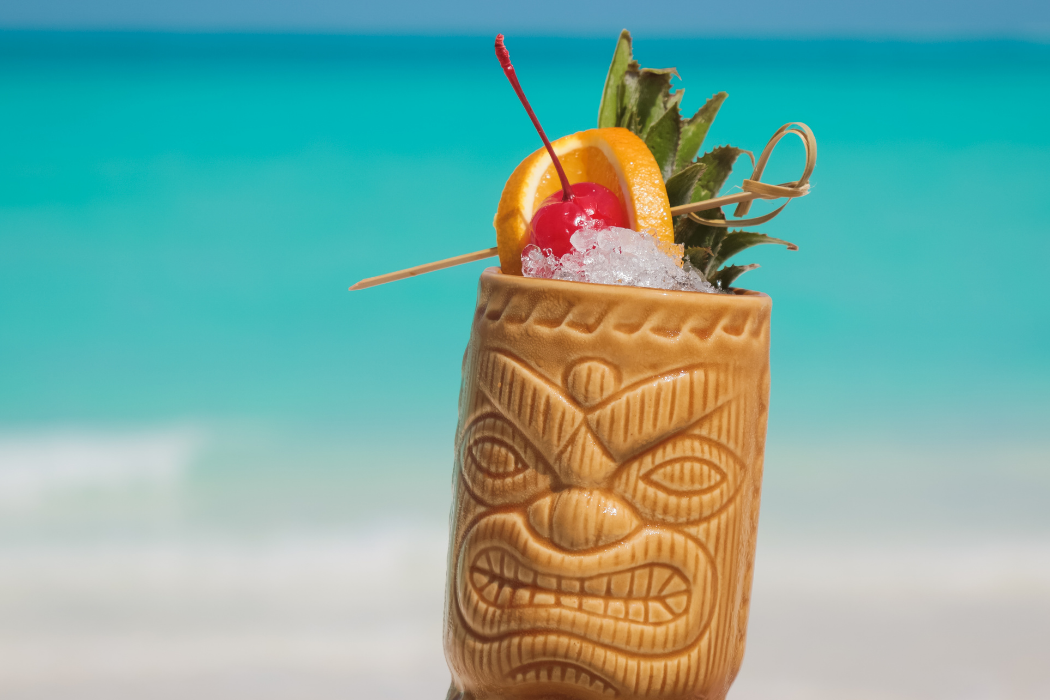
Tipsy Turtle Tiki & Pedal Tours offers a floating tiki-bar experience departing from Bahia Bleu Marina in Thunderbolt, near Savannah. Its published boat tour lasts 90 minutes and accommodates up to 20 guests.
The company presents the experience for occasions including birthdays, bachelor and bachelorette parties, reunions, corporate functions, retirement celebrations, engagements, and sunset outings. Guests can connect a personal playlist to the onboard Bluetooth sound system.
According to the company’s current information, passengers must be at least 21 years old. Alcohol must be purchased from the onboard bar, although guests may bring snacks. The boat does not have a restroom, so passengers are encouraged to use marina facilities before departure.
The operator recommends arriving 15 to 30 minutes early. Shared departures have a limited grace period, while delays involving a private group may reduce its time on the water. Tours generally operate in rain, but the captain may reschedule when conditions are considered unsafe.
These published details help prospective guests determine whether the experience fits their group. Organizers should still confirm current availability, policies, pricing, and special requests directly before making plans.
A social boat tour can offer music, conversation, coastal scenery, and a memorable setting for a celebration. Its success depends on matching the experience to the group and respecting the realities of being outdoors on the water.
By researching the operator, understanding the policies, preparing for weather, moderating alcohol use, and following the crew’s instructions, guests can spend less time resolving preventable problems and more time enjoying the journey.