A professional contact lens exam in Baltimore, MD evaluates more than prescription strength—it considers the shape and health of the eyes, lens fit, visual performance, comfort, lifestyle, and safe wearing habits.
Contact lenses may look simple, but they are regulated medical devices that rest directly on the cornea, the clear front surface of the eye. Two lenses with the same printed power can differ in diameter, curvature, material, moisture characteristics, and replacement schedule.
That is why a glasses prescription cannot simply be converted into a contact lens order. A complete fitting helps determine whether a particular lens design provides clear vision while moving and centering appropriately on the eye.
A Contact Lens Exam Is Different From a Routine Vision Test
A comprehensive eye examination evaluates prescription needs and eye health. A contact lens evaluation adds measurements and observations needed to select a lens that sits directly on the ocular surface.
The process may include:
- Reviewing vision, eye health, and previous lens history
- Discussing work, sports, screen use, and wearing goals
- Evaluating the cornea, eyelids, and tear film
- Measuring prescription and relevant eye dimensions
- Selecting an appropriate lens material and design
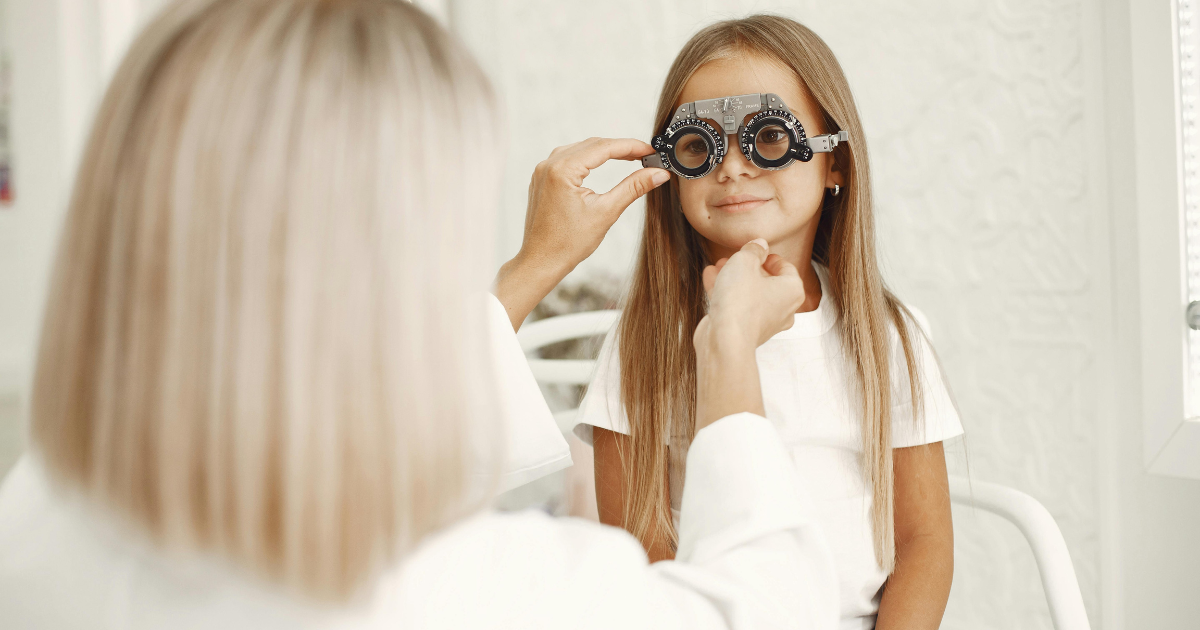
- Applying trial lenses when appropriate
- Checking vision, centration, movement, and comfort
- Teaching insertion, removal, cleaning, and replacement
- Scheduling follow-up when needed
The National Eye Institute explains that an eye doctor may place trial lenses on the eyes to evaluate fit and test vision before finalizing the prescription.
Why the Glasses Prescription Is Not Enough
Eyeglass lenses sit several millimeters in front of the eyes, while contact lenses rest on the corneal surface. This difference can affect the power required, particularly with stronger prescriptions.
A valid contact lens prescription also identifies the prescribed brand or material and fitting specifications. According to the U.S. Food and Drug Administration, a contact lens prescription commonly contains the lens power, manufacturer or material, base curve, diameter when appropriate, and expiration information.
These details matter because brands are not automatically interchangeable. A substitute lens may have a different shape, material, or edge design even when its power appears identical.
Lifestyle Helps Determine the Best Lens
A successful fitting begins with understanding how the wearer plans to use contact lenses. Someone who wants occasional lenses for exercise may have different priorities from a person who wears them throughout every workday.
Tell the optometrist about:
- Typical daily wearing time
- Computer and near-work demands
- Sports and outdoor activities
- Travel frequency
- Air-conditioned, dusty, or dry environments
- Difficulty handling small objects
- Previous dryness or discomfort
- Whether near and distance correction are both needed
The conversation helps narrow the options before trial lenses are evaluated. Convenience is important, but it should not override ocular health or an appropriate fit.
Modern Lenses Can Correct More Than Basic Nearsightedness
Contact lens technology has expanded beyond simple spherical correction. Depending on examination findings, patients may be fitted with lenses designed for higher prescriptions, astigmatism, presbyopia, or other visual needs.
Toric contact lenses contain design features intended to stabilize astigmatism correction in the proper orientation. Multifocal lenses distribute different optical powers to support near, intermediate, and distance tasks.
The National Eye Institute’s overview of specialized contact lenses also describes multifocal, hybrid, orthokeratology, scleral, and decorative designs. Not every practice offers every option, and suitability must be determined through an individual examination.
More advanced does not automatically mean better. The right lens is the one that delivers acceptable vision, comfort, handling, and eye health for the specific wearer.
Daily Disposable and Reusable Lenses Require Different Routines
Daily disposable lenses are worn once and discarded. They eliminate the need for overnight storage and routine disinfection, which may appeal to occasional wearers, travelers, or people who prefer a simpler schedule.
Reusable lenses are removed, cleaned, disinfected, and stored before being worn again. Their replacement schedule depends on the prescribed product.
When comparing the two, consider:
- How frequently the lenses will be worn
- Ability to follow a cleaning routine consistently
- Travel and storage needs
- History of deposits, allergies, or irritation
- Cost across the expected wearing schedule
- Environmental and packaging preferences
Never extend a replacement schedule simply because a lens still appears clear. Microscopic deposits, material changes, and contamination are not always visible.
Trial Lenses Provide Real-World Information
Measurements help select a starting lens, but the trial-lens assessment shows how that product performs on the actual eye.
The optometrist may allow the lens to settle before checking:
- Visual acuity
- Lens centration
- Movement with blinking
- Stability of astigmatism correction
- Surface wetting
- Initial comfort
- The health response of the eye
A lens that feels comfortable for five minutes may become dry later in the day. Conversely, a new wearer may need time and practice before insertion and removal feel natural.
Follow-up gives the patient an opportunity to describe the complete experience. Bring specific information about wearing time, fluctuating vision, dryness, redness, or difficulty handling the lenses.
Comfort Is Important, but It Is Not the Only Measure
A contact lens should be comfortable, yet comfort alone cannot confirm that the eye is healthy. Some complications begin before the wearer experiences significant pain.
Regular examinations allow the eye doctor to inspect the cornea, conjunctiva, eyelids, and other structures. The doctor can also confirm that the prescription remains accurate and the lens continues to fit appropriately.
The National Eye Institute recommends that contact lens wearers receive an eye examination at least annually, or according to the schedule advised by their eye-care professional.
Hand Hygiene Is the Foundation of Safe Wear
Hands transfer microorganisms, oils, lotions, and debris to contact lenses. Wash with soap and water before touching a lens, then dry completely with a clean, lint-free towel.
The Centers for Disease Control and Prevention recommends washing and drying hands before handling contacts, using fresh disinfecting solution, and replacing the storage case regularly.
Avoid handling lenses immediately after applying oily skincare products. Fingernails should not be used to pinch the lens from the eye because they can damage the lens or scratch the ocular surface.
Contact Lenses and Water Do Not Mix
Tap water, pools, lakes, oceans, showers, and hot tubs may contain microorganisms that can cause serious eye infections. Water is not an acceptable substitute for contact lens solution.
The CDC’s contact-lens water-safety guidance warns that soft lenses may change shape, swell, or adhere to the eye after water exposure. Water may also expose the eye to organisms such as Acanthamoeba.
Safe habits include:
- Removing contact lenses before swimming or showering
- Never rinsing lenses or cases with tap water
- Never storing lenses in water
- Using prescription swimming goggles when appropriate
- Following professional guidance if a lens contacts water
If water exposure occurs, remove the lenses promptly. Follow the prescribed disinfection instructions or discard them if they are single-use lenses.
Sleeping in Lenses Increases Risk
Daily-wear contacts should be removed before sleeping or napping. Closed eyelids already reduce oxygen reaching the cornea, and a contact lens can further alter the ocular environment.
Some lenses are approved for extended wear, but approval does not mean overnight use is appropriate for every patient. The wearer should follow the specific recommendation of the prescribing doctor.
The FDA’s contact lens care guidance distinguishes daily-wear, disposable, extended-wear, and rigid gas-permeable lenses and advises patients to follow the cleaning and wearing schedule provided by their eye doctor.
Do not assume that occasionally falling asleep in lenses is harmless because no immediate symptoms occurred.
Use Lens Solution Correctly
Reusable lenses require the care system recommended for that particular product and patient. Multipurpose solution, hydrogen peroxide systems, and other products are not used in the same way.
Never “top off” old solution by adding a small amount of fresh liquid to the case. Empty the case and use fresh solution each time.
Hydrogen peroxide systems require the supplied neutralizing case and the full neutralization period. Placing unneutralized peroxide directly in the eye can cause severe pain and injury.
Saline may rinse certain lenses but generally does not disinfect them. Rewetting drops are not cleaning solution. Ask the eye doctor before switching care products because preservatives and formulations differ.
Decorative Lenses Still Require a Prescription
Colored and costume contacts are medical devices even when they do not correct vision. Buying them from an unlicensed seller or wearing someone else’s lenses can expose the eyes to an unsafe fit, contamination, and injury.
The FDA’s decorative contact lens guidance emphasizes that cosmetic lenses require an eye examination, proper fitting, and valid prescription.
Never share contacts. A lens selected only for appearance may still restrict movement, irritate the cornea, or introduce microorganisms.
Know the Warning Signs
Remove contact lenses and contact an eye-care professional promptly if you develop:
- Eye pain
- Increasing redness
- Light sensitivity
- Sudden or persistent blurred vision
- Unusual tearing
- Discharge
- A strong foreign-body sensation
Do not continue wearing lenses to see whether a painful or red eye improves. Contact lens-related infections and corneal ulcers may progress quickly and can threaten vision.
Severe pain, trauma, chemical exposure, sudden vision loss, or rapidly worsening symptoms may require emergency evaluation.
Contact Lens Exams at Clarity Eyecare
Clarity Eyecare provides contact lens examinations at 6080 Falls Road, Suite 104, in Baltimore’s Mount Washington area.
During a comprehensive examination, Dr. Howai “Jenny” Chan evaluates the patient’s prescription and ocular health. Contact lens recommendations are based on lifestyle, visual needs, and the shape and health of the eyes.
The practice offers contact lenses from current manufacturers, including Acuvue, and notes that modern options may accommodate higher prescriptions and larger amounts of astigmatism. Patients can also order prescribed replacement lenses through the practice’s online contact lens store.
Clarity Eyecare combines contact lens fitting with broader eye-health evaluation using retinal photography and diagnostic equipment. Its additional services include annual, pediatric, and diabetic eye exams, dry eye care, myopia control, glaucoma and cataract evaluation, and urgent eye care.
A Good Fit Supports Both Vision and Eye Health
Contact lenses should provide more than freedom from glasses. They should deliver stable vision, manageable comfort, safe handling, and an appropriate relationship with the ocular surface.
The fitting process connects clinical measurements with real-life experience. Honest feedback about dryness, wearing time, work demands, and handling difficulties helps the optometrist refine the recommendation.
This article is educational and does not replace an examination or individualized medical advice. Use only lenses prescribed for you, follow the recommended care schedule, and contact an eye-care professional promptly if pain, redness, light sensitivity, discharge, or sudden visual changes occur.