How to Build a Blonde Plan That Respects the Starting Point
How to Build a Blonde Plan That Respects the Starting Point Blonde hair services work best when the desired shade is treated as one part…

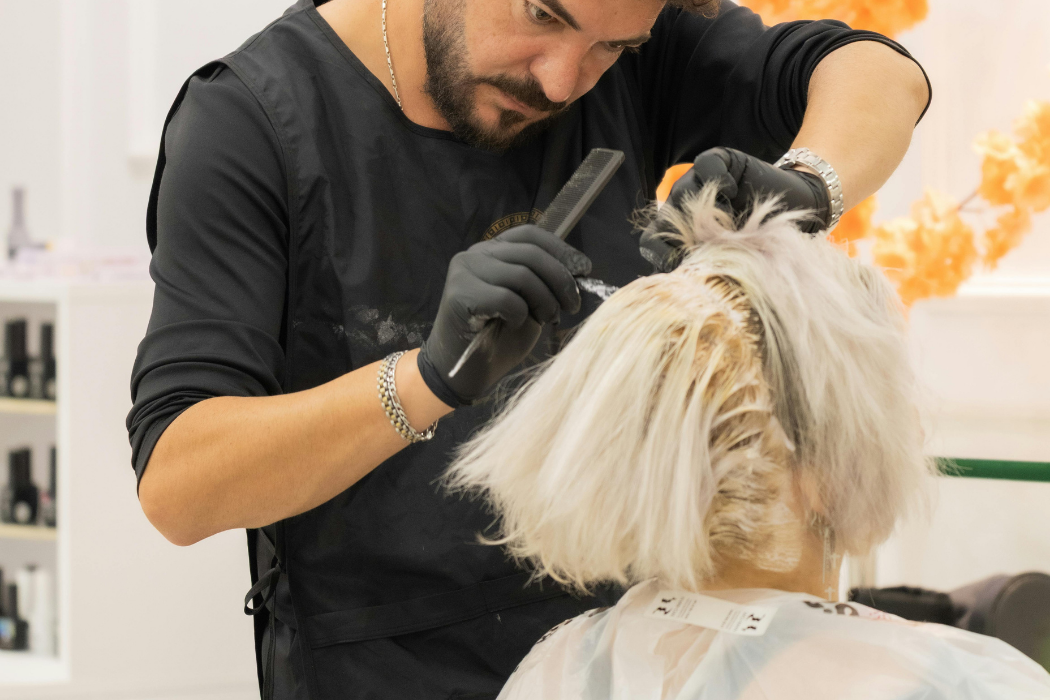
Personalized salon services should change more than the final look; they should influence which service is selected, how it is performed, how much time it receives, and how the result will be maintained.
Personalization is often reduced to choosing a shade or showing a haircut photograph. A genuinely individualized plan is more systematic. It considers the goal alongside the hair’s condition, service history, natural behavior, daily routine, budget, sensory preferences, and required upkeep.
This does not make a salon visit clinical. It makes the creative process more informed and less dependent on assumptions.
“I want healthier-looking hair” and “I want to be much blonder” may point toward different plans. “More volume” could mean a shorter shape, strategic layers, styling support, or a different drying technique.
Before discussing methods, define what success would look like in daily life. Useful questions include:
Ranking these priorities helps resolve conflicts. If preserving length matters more than removing every compromised end, the stylist may suggest a gradual plan. If low maintenance is essential, it should influence placement and shape from the beginning.
Hair is not uniform material. Diameter, density, curl pattern, porosity, previous damage, gray distribution, and growth direction all affect how it responds to cutting, heat, tension, moisture, and chemical services.
A scientific review of curly-hair structure describes curl as a complex physical characteristic of the fiber. The same cutting diagram can therefore create different silhouettes on straight, wavy, curly, and tightly coiled hair. Shrinkage, weight, and mixed patterns must be considered.
The baseline also includes service history. Color, lightener, chemical straightening, frequent high heat, and extensions may affect different sections of the hair. A full history helps the stylist distinguish untouched growth from lengths that have already been processed.
Reference images reveal taste, but not the model’s natural hair, preparation, extensions, lighting, or editing. Use several and identify the feature you like in each, such as softness around the face, brightness near the hairline, weight at the ends, or contrast. Also show what you do not want.
A useful consultation separates three questions:
The answers may lead to the requested service, an adapted version, or a staged plan.
Hair that looks glossy can still have a different processing history from the roots to the ends. Research using microscopy has documented changes to the hair shaft after cosmetic procedures. One scanning electron microscopy study observed increasing surface damage in samples exposed to straightening and bleaching processes.
A strand test, visual assessment, elasticity check, or review of previous formulas can inform a major transformation. These checks cannot guarantee an exact result, but they may reveal reasons to modify the service.
Personalization sometimes means doing less in one session by retaining depth, reducing lightened sections, or allowing more time between chemical processes.
A result is not truly tailored if it works only on the day it is created. The plan should account for what happens after washing, during humid weather, as roots grow, and when the guest uses their usual tools.
The American Academy of Dermatology’s guidance on styling without damage recommends limiting excessive heat, handling wet hair according to texture, and avoiding constant tension from tightly pulled styles. Someone reducing heat use may benefit from a shape that supports air-drying, while a protective-style wearer may need a plan that avoids unnecessary tension.
Before leaving, the guest should understand:
Not every guest receives information best through rapid verbal explanations in a busy room. Some people prefer written steps, visual examples, extra processing time for decisions, quieter communication, or another accessible format.
The U.S. Department of Justice’s guidance on effective communication says businesses should consider the nature, complexity, and context of information, as well as the person’s usual communication method. In a salon, this can support clear written pricing, accessible forms, adequate time for questions, and appropriate assistance.
Comfort preferences can also affect scheduling and service design. A guest may need fewer simultaneous conversations, advance notice before touch, a particular seating position, or a clearer explanation of each step. Asking is more reliable than guessing.
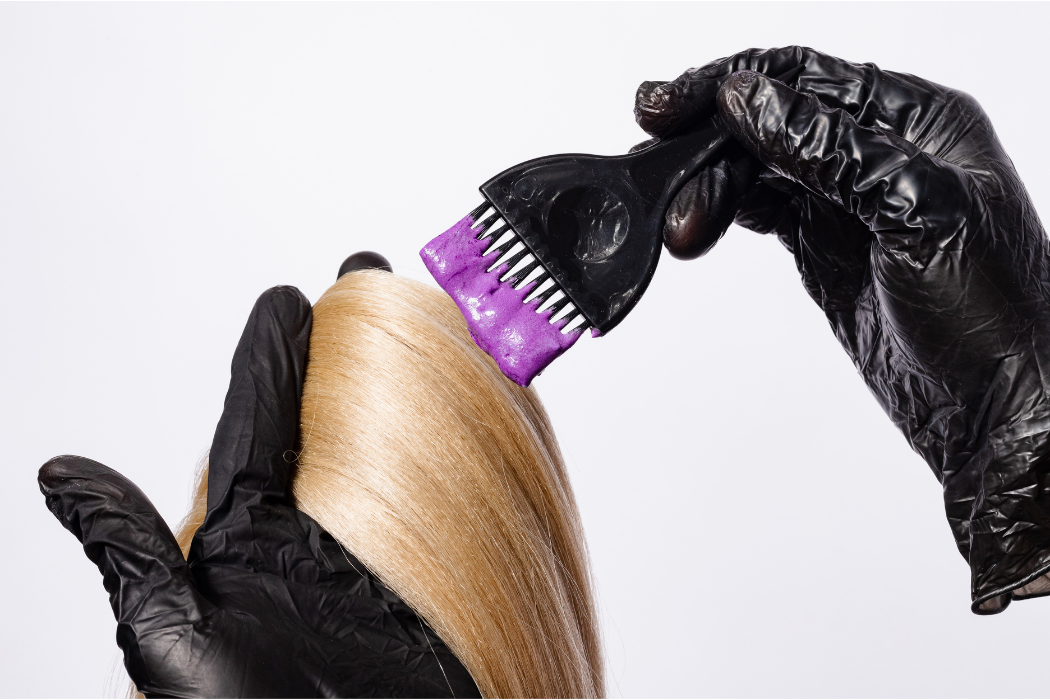
A desired look does not override product instructions, exposure controls, or signs of an adverse reaction. The U.S. Food and Drug Administration’s hair-dye safety guidance advises following warnings, performing the recommended patch test each time, rinsing as directed, and never mixing different dye products.
Smoothing services require equally specific questions. The Occupational Safety and Health Administration provides guidance about some hair-smoothing products that may release formaldehyde and related worker protections. A consultation should identify the exact service and product rather than treating all smoothing methods alike.
Discomfort should be communicated immediately. Burning, breathing difficulty, eye irritation, intense scalp pain, or a developing reaction is not a normal price of achieving a beauty result.
Stylists often notice changes because they regularly see the scalp and hair. They can describe an observation, adjust a service, or recommend that a guest seek qualified medical advice. They should not diagnose a health condition.
The AAD’s overview of hair-loss signs and symptoms describes patterns such as a widening part, a thinner ponytail, bald patches, sudden shedding, and hair loss accompanied by burning, itching, scaling, or sores. Concerns like these belong with a board-certified dermatologist or another appropriate healthcare professional.
Personal rapport and a strong portfolio matter, but consumers can also verify credentials. The Kentucky Board of Cosmetology establishes educational, health, salon, and licensing standards and provides access to license verification.
Licensure does not identify the best stylist for every specialized goal. It provides a baseline. From there, guests can ask about relevant education, experience with comparable hair, consultation practices, and how the professional handles results that may require several stages.
A List Salon is a salon and spa in Georgetown, Kentucky. Its published hair menu includes traditional and curly haircuts, blowouts, color services, hair extensions, texture services, treatments, and bridal design.
The salon offers a virtual consultation to help new guests identify the correct service before booking. It also provides a survey that matches guests with an artist based on hair or skin type, personal style, and personality.
Its haircut pricing varies by stylist, hair length, and condition and is subject to consultation. This reflects an important aspect of personalization: service labels may look simple, but the time and work required can differ substantially between guests.
Immediate satisfaction matters, but a useful evaluation happens after the guest has washed and styled the hair. Note what took longer than expected, which sections behaved well, and how the result changed over several weeks.
Bring that information to the next visit. A brief record turns vague impressions into practical feedback:
Personalization is not a single conversation at the beginning of a service. It is an ongoing process of defining priorities, observing the starting point, managing risk, testing the result in daily life, and applying what was learned. When those steps are connected, customization becomes more than a beauty-industry promise. It becomes a practical method for making better decisions.