Why Eye Health Is Best Understood Over Time
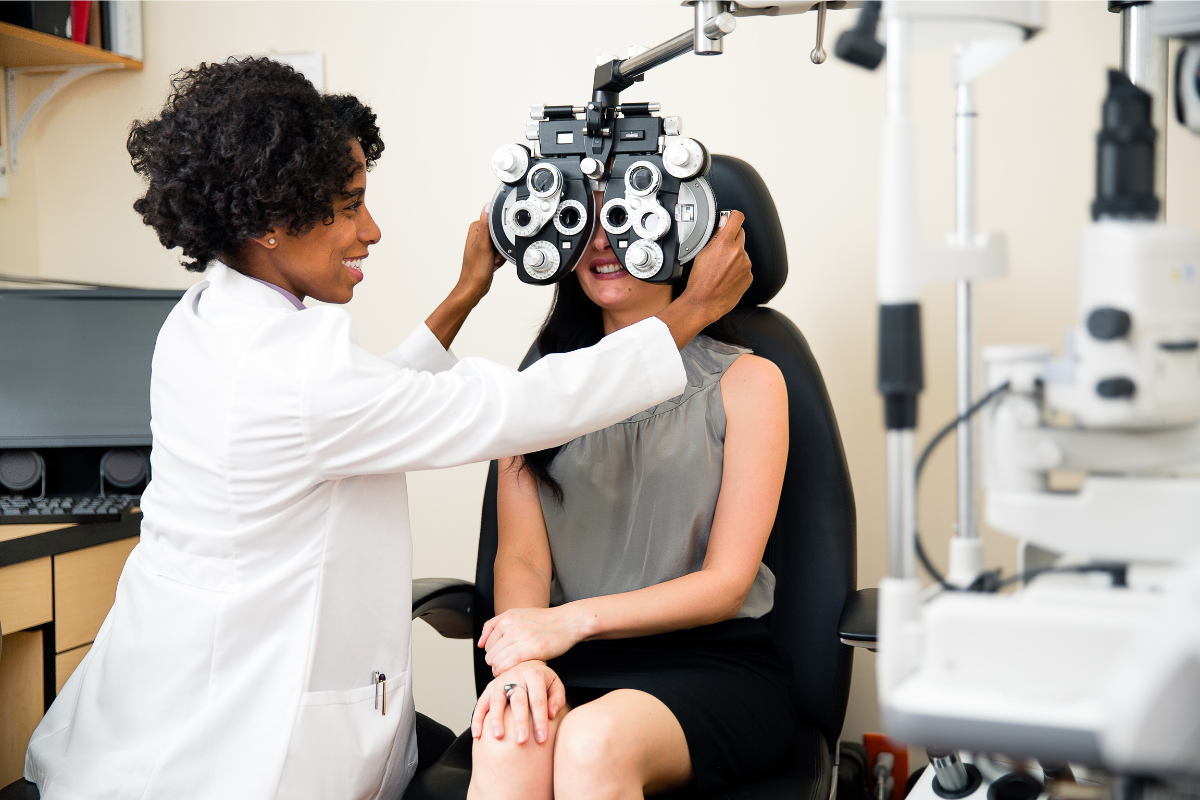
An Optometrist can interpret today’s examination more effectively when there is a reliable record of how a patient’s vision and eye health have changed over time.
A single eye examination provides important information, but it is still a snapshot. Prescription strength, eye pressure, visual performance, contact lens comfort, tear-film quality, and internal eye structures may all become more meaningful when current findings can be compared with earlier results.
This longitudinal approach reflects a basic principle of research: one data point describes a moment, while repeated observations can reveal direction, speed, and patterns. Patients do not need to become medical researchers, but keeping an organized eye-health history can support more informed conversations and better continuity of care.
What Is an Eye-Health Baseline?
A baseline is an initial set of findings used for future comparison. It does not necessarily mean that something is wrong. In many cases, it simply documents what is normal for that particular person at a particular stage of life.
The American Optometric Association’s evidence-based adult examination guideline describes comprehensive care as including patient history, evaluation of visual function and ocular health, assessment of findings, and planning for future care.
Depending on age, symptoms, health history, and professional judgment, a useful baseline may include:
- Distance and near visual acuity
- Eyeglass or contact lens prescription
- Eye focusing and coordination findings
- Eye pressure measurements
- Observations of the cornea, lens, retina, and optic nerve
- Dry eye or eyelid symptoms
- Relevant retinal images or scans when clinically appropriate
- Family history and personal risk factors
- Medications and systemic health conditions
No isolated number should be interpreted without context. The doctor considers how measurements relate to one another, whether symptoms are present, and whether a meaningful change has occurred.
Prescription Changes Can Reveal a Pattern
Many people remember only whether their new prescription became “stronger.” A more informative record shows which eye changed, whether distance or near vision was affected, and how quickly the change occurred.
Gradual changes can be expected at different stages of life. The focusing system changes with age, and presbyopia commonly affects near vision during adulthood. Other prescription shifts may deserve closer attention when they occur rapidly, repeatedly, or alongside additional symptoms.
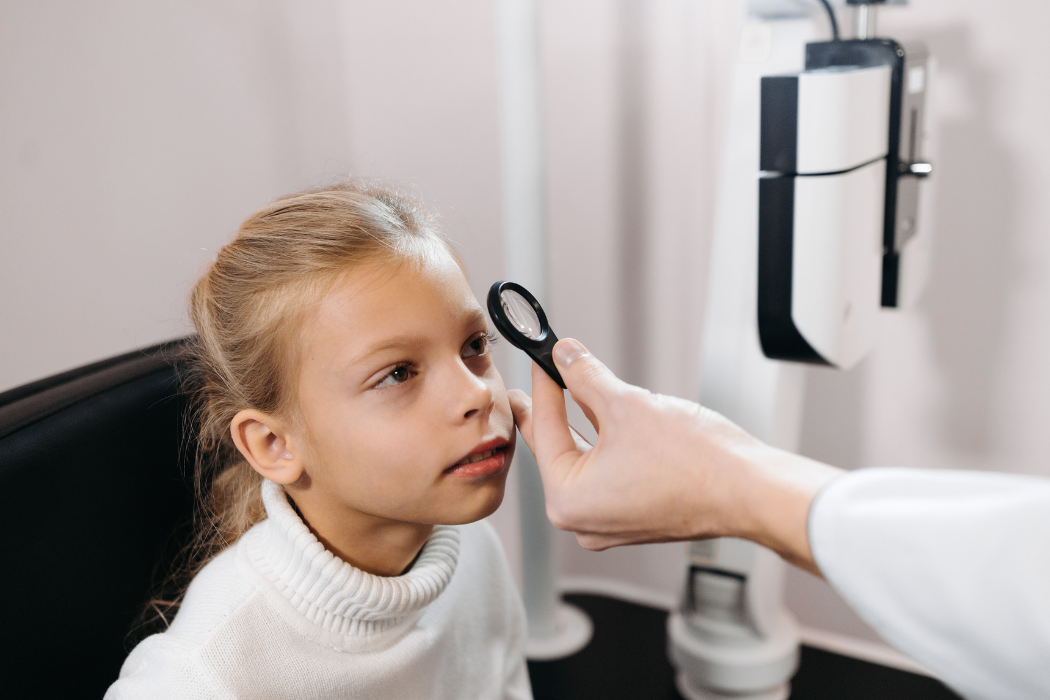
Children benefit especially from trend tracking because myopia can progress as the eyes develop. The National Eye Institute’s overview of myopia explains that nearsightedness often begins during childhood and can be diagnosed during a comprehensive examination.
Parents can keep a simple record containing:
- The date of each examination
- The child’s prescription at each visit
- How often glasses or contacts are worn
- Complaints about distance vision or classroom visibility
- Changes in squinting, headaches, or viewing distance
- Myopia management recommendations and follow-up dates
This history helps families ask more precise questions about progression and available management options.
Clear Vision Does Not Always Mean Healthy Eyes
A person may read an eye chart clearly while an eye condition is developing without obvious symptoms. This is why a vision screening or online prescription check cannot provide the same information as a comprehensive examination.
The National Eye Institute explains that dilated eye examinations allow eye doctors to check for diseases that may develop before patients notice vision loss. Dilation provides a wider view of internal structures, including the retina and optic nerve.
Glaucoma illustrates the importance of establishing and reviewing clinical findings. According to the National Eye Institute’s glaucoma guidance, symptoms can begin so gradually that they are not noticed, and a comprehensive dilated examination is needed to detect the disease.
Eye pressure is useful information, but it is not the entire glaucoma evaluation. The doctor may also consider optic nerve appearance, visual field results, corneal characteristics, family history, age, and other risk factors. Comparing findings over time may help determine whether an observation appears stable or requires additional investigation.
General Health Belongs in the Eye Record
The eyes are not isolated from the rest of the body. Diabetes, blood pressure, autoimmune conditions, medication changes, previous injuries, and other health factors may influence examination decisions.
People with diabetes have a particularly important reason to maintain consistent eye-care records. The Centers for Disease Control and Prevention states that diabetes increases the risk of conditions including diabetic retinopathy, glaucoma, and cataracts. The agency recommends comprehensive vision examinations that include dilation for people with diabetes.
Bring an updated medication list rather than assuming that only “eye medicines” matter. Include prescription drugs, over-the-counter products, supplements, recent dosage changes, and the approximate dates when new treatments began.
Patients should also update their eye doctor when they receive a new diagnosis or learn about a family history of glaucoma, macular degeneration, retinal disease, or significant vision loss.
Symptom Tracking Can Improve the Examination
Descriptions such as “my eyes feel tired” or “my vision gets blurry” are valid starting points. More specific observations can help the doctor investigate possible causes.
Dry eye is a good example because similar complaints can arise from different tear-film, eyelid, environmental, medication, or contact lens factors. The National Eye Institute notes that dry eye can occur when the eyes do not make enough tears or when tears do not function correctly.
Keep a seven-day symptom log
Before an examination, record symptoms for one ordinary week. Note:
- The time symptoms begin
- Whether one or both eyes are affected
- Screen use before the symptoms appear
- Contact lens wearing time
- Environmental conditions such as wind, air conditioning, or smoke
- Any drops or remedies used
- Whether blinking temporarily improves clarity
- Associated redness, discharge, itching, pain, or light sensitivity
A pattern that consistently develops after several hours of contact lens wear may lead to a different discussion than discomfort that begins immediately upon waking.
Contact Lens Records Support Safer Wear
Contact lenses are medical devices, even when they are worn mainly for convenience or appearance. Keep the exact brand, prescription, replacement schedule, cleaning system, and date each new pair was opened.
The CDC’s contact lens guidance emphasizes proper wear, care, cleaning, and storage to reduce the risk of eye infections. Patients should report sleeping, swimming, or showering in lenses, even if those habits occur only occasionally. Accurate information helps the doctor evaluate risk without having to reconstruct the routine from memory.
Useful contact lens observations include:
- Comfort immediately after insertion
- Comfort at the end of the day
- Maximum typical wearing time
- Fluctuating or inconsistent clarity
- Redness after lens removal
- How frequently lenses are replaced
- Whether symptoms improve when glasses are worn
How to Prepare for a More Informative Eye Visit
A patient does not need access to every technical record to contribute useful information. A concise personal timeline is often enough.
- Bring your current eyewear. Include glasses, sunglasses, reading glasses, computer glasses, and contact lens packaging.
- List recent changes. Note new symptoms, diagnoses, medications, injuries, or family health information.
- Describe visual demands. Explain how much time you spend driving, reading, using screens, working outdoors, or performing detailed tasks.
- Save previous prescriptions. These can show how vision has changed between visits or providers.
- Ask about comparisons. Find out whether a measurement or image differs meaningfully from an earlier result.
- Confirm the follow-up plan. Understand when to return and which symptoms should prompt an earlier evaluation.
Examination frequency should reflect individual risk rather than a universal schedule. Age, eye findings, family history, health conditions, contact lens use, and treatment plans can all affect the recommended interval.
Long-Term Eye Care in Concord
Northpoint Eye Studio has served the Concord, North Carolina, community since 2010. Its services include comprehensive eye examinations, dry eye care, myopia control, emergency evaluations, specialty contact lenses, diagnostic testing, and eyewear.
This range allows patients to address medical eye health, visual correction, ocular comfort, and practical eyewear needs within an ongoing care relationship. The practice also serves people from Charlotte, Huntersville, Davidson, and surrounding communities.
Continuity is valuable because the care team can review what was observed previously, how recommendations performed in daily life, and whether symptoms or measurements have changed.
Know Which Changes Should Not Wait
Trend tracking is useful for gradual changes, but it should never delay urgent care. Sudden vision loss, severe eye pain, chemical exposure, injury, or a rapid change in symptoms requires prompt professional attention.
A sudden shower of new floaters, flashes of light, or a dark curtain or shadow in the visual field can indicate a retinal emergency. The National Eye Institute identifies retinal detachment as a medical emergency and advises people with these symptoms to contact an eye doctor or go to an emergency room immediately.
Build a Record That Becomes More Useful Every Year
After each examination, update your timeline with the date, prescription, major findings you were given, recommended follow-up, and any changes to glasses, contact lenses, or treatment. Record how well the plan works after several weeks of ordinary use.
Over time, this history can answer questions that memory alone cannot. It may show that a prescription has remained stable, a child’s myopia is progressing, contact lens comfort declines during a certain season, or recurring symptoms began after a medication change.
The purpose is not to interpret clinical data without professional guidance. It is to preserve accurate context. One examination shows where your vision and eye health stand today. A well-maintained history helps your eye doctor understand how you arrived there and what deserves attention next.