Why a Contact Lens Prescription Is More Than a Lens Power
Why a Contact Lens Prescription Is More Than a Lens Power Effective contact lens exams determine not only what optical correction is needed, but also…

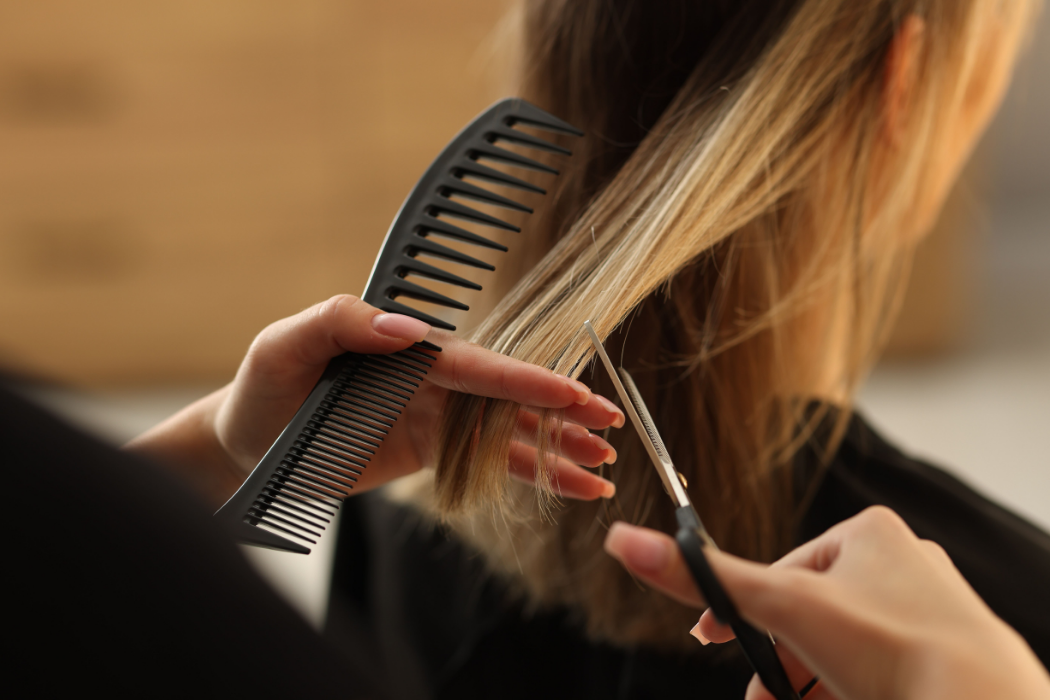
A Hair salon transformation is most successful when the desired appearance is balanced with the hair’s current condition, treatment history, and realistic maintenance needs.
Beauty advice often relies on dramatic before-and-after images, product claims, and trend names. These can provide inspiration, but they rarely explain why one person’s hair tolerates a process while another person experiences fading, dryness, or breakage.
A more dependable approach begins with basic hair science. It separates temporary cosmetic improvement from structural change, considers cumulative exposure to chemicals and heat, and recognizes when a concern belongs in a medical setting rather than a salon.
The visible hair shaft is primarily a keratin-based fiber. It does not repair itself biologically after emerging from the follicle. Products can improve lubrication, reduce friction, add shine, limit static, and temporarily smooth an irregular surface, but they cannot return extensively weathered hair to its original condition.
A scientific overview of hair structure and cosmetic treatments explains how the cuticle and cortex contribute to strength, texture, appearance, and manageability. Chemical and mechanical processes can alter these structures in different ways.
This distinction helps consumers evaluate common marketing language. A treatment described as “repairing” hair may provide a meaningful cosmetic benefit without literally rebuilding every damaged structure. The practical questions are whether the improvement is suitable for the hair, how long it lasts, and whether it helps reduce additional damage.
A thoughtful consultation does more than identify a preferred color or haircut. It gathers the information needed to estimate how the hair may respond.
Relevant factors include:
Complete history matters because new growth and older lengths may behave differently. The hair near the scalp might be untreated, while the ends have accumulated years of color, heat, sunlight, brushing, and environmental exposure.
When the response is uncertain, a strand test may provide useful evidence from a small section. It cannot guarantee the outcome of an entire service, but it can reveal unexpected color reactions, elasticity changes, or difficulty reaching the intended level.
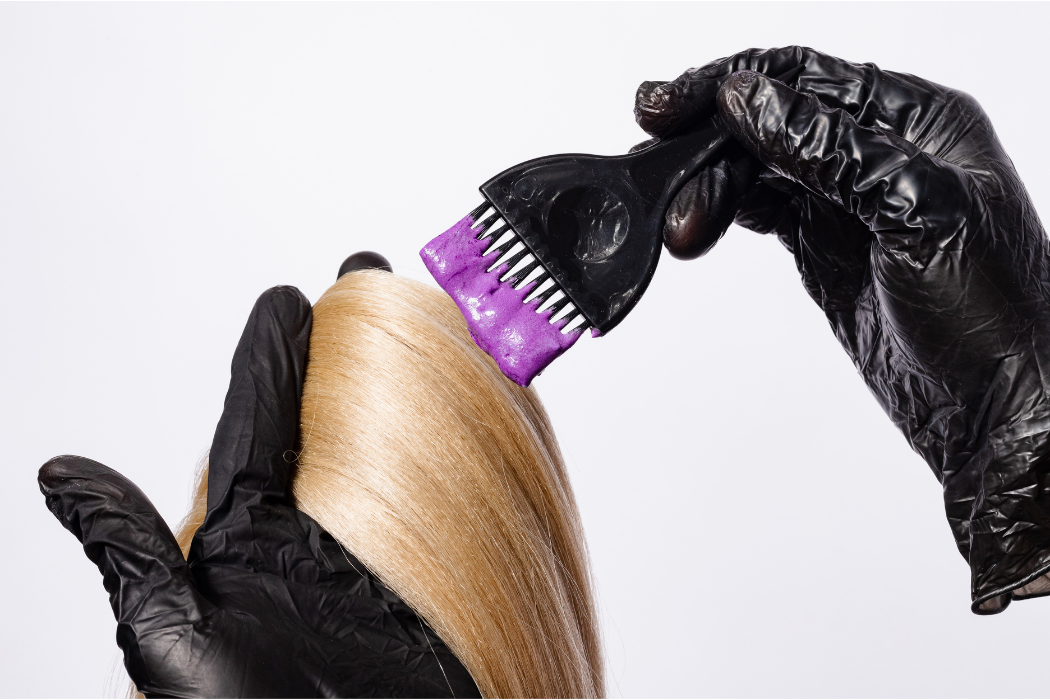
Color services are not interchangeable. Depositing a shade close to the existing color generally presents a different technical challenge from removing artificial pigment or lifting dark hair several levels.
Repeated processing can matter as much as a single service. Applying lightener over previously lightened areas, combining several chemical processes too closely, or pursuing an aggressive correction may increase the possibility of dryness and breakage.
The U.S. Food and Drug Administration’s hair-dye precautions recommend following product directions, observing warnings and processing times, using gloves, completing the instructed skin test, and never mixing different dye products.
An evidence-informed plan does not promise that damage can always be prevented. It identifies the variables, reduces avoidable exposure, and establishes reasonable stopping points.
Everyday handling can influence hair condition even when no chemical service is involved. Wet hair, forceful detangling, repeated high heat, rough towel drying, and constant pulling can contribute to weathering and breakage.
The American Academy of Dermatology’s damage-prevention guidance recommends gentle shampooing, regular conditioning, careful detangling, lower heat settings, and reducing the frequency of heated styling tools.
A practical routine should be designed around the individual rather than a universal schedule:
Extensions can add length, density, or color without lightening every section of natural hair. However, attachment weight, placement, maintenance, removal, and the condition of the natural hair all influence suitability.
Persistent pain should not be treated as a normal part of an installation. The American Academy of Dermatology warns that continuously tight hairstyles can contribute to traction alopecia. Early warning signs can include broken hairs, a receding hairline, patches where hair is pulled, tenderness, or stinging.
An extension consultation should therefore address more than color matching. Clients should understand the maintenance schedule, washing and drying method, appropriate tools, expected removal process, and symptoms that warrant early reassessment.
Smoothing treatments require informed product selection and workplace controls. A product name or “formaldehyde-free” claim is not enough information by itself.
The Occupational Safety and Health Administration reports that some smoothing products can contain or release formaldehyde, including certain products that were inaccurately labeled. OSHA’s guidance discusses ingredient information, safety data sheets, ventilation, training, exposure controls, and protective equipment.
Before a smoothing service, it is reasonable to ask what product will be used, what result it is designed to produce, whether heat activates the formula, how the salon manages ventilation, and how the treatment interacts with existing color or chemical history.
Breakage and shedding are not identical. Breakage occurs along the shaft, while shedding releases the hair from the scalp. A stylist may notice visible changes, but diagnosing the cause of hair loss is outside the cosmetic role.
The National Library of Medicine lists numerous possible causes of hair loss, including hereditary patterns, illness, stress, medications, nutritional factors, thyroid conditions, infections, and excessive tension.
Medical evaluation is especially important when hair loss is rapid, unusually patterned, accompanied by pain or itching, or associated with redness, scaling, infection, fatigue, or other physical symptoms. A salon service can alter the appearance of the hair, but it should not substitute for diagnosis or treatment.
Professional skill also includes safe handling of tools, linens, surfaces, products, and reusable equipment. In Arizona, licensed establishments and professionals follow infection-protection requirements overseen by the state.
The Arizona Barbering and Cosmetology Board’s infection-protection guidelines cover cleaning, disinfection, storage, linens, single-use items, and establishment practices. These procedures are not optional details. They are part of delivering a responsible service.
Founded in 2015, 27 the salon describes education, teamwork, individualized artistry, and stylist support as central parts of its Mesa operation. Its published menu includes cuts and styling, barber services, color and highlights, customized treatments, extensions, brows and waxing, and permanent jewelry.
The salon requires consultations for extension services and offers a virtual consultation process for new guests. These steps support better matching between the client’s goals and the appropriate professional, service, timing, and maintenance plan.
The company also states that it participates in a salon-waste recovery program. Consumers interested in environmental claims can apply the same evidence-based thinking used for hair care by looking for specific practices rather than broad labels. For household and facility products, the EPA Safer Choice product directory is one example of a resource built around published ingredient and performance criteria.
Evidence-based hair care does not eliminate creativity. It gives creativity a safer and more realistic foundation. When consultation, product knowledge, technical judgment, sanitation, and honest maintenance planning work together, clients can make changes with a clearer understanding of both the potential result and the responsibilities that accompany it.