Growing Eyes: Children’s Eye Exams in San Juan Capistrano
Children’s eye exams in San Juan Capistrano, CA can evaluate developing visual skills that a brief screening or a child’s ability to read an eye…

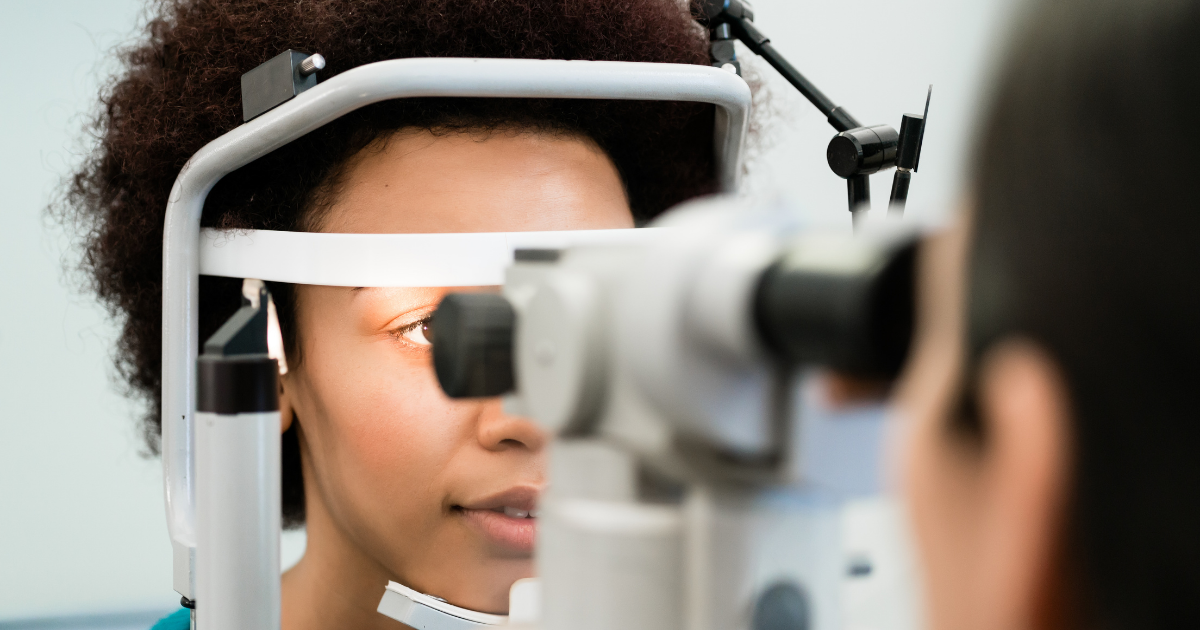
An eye doctor in McKinney, TX can evaluate much more than whether a patient needs new glasses, because a comprehensive examination considers visual function, eye comfort, and signs of conditions that may develop without obvious symptoms.
Many people schedule an appointment only after their vision becomes blurry. Clear sight is certainly an important reason to receive eye care, but it represents only one part of the examination. The eyes contain delicate structures, blood vessels, nerves, muscles, and tear-producing tissues that can each affect comfort and visual performance.
Research-based eye care brings these elements together. Rather than treating an examination as a simple prescription update, the optometrist considers the patient’s symptoms, medical history, visual demands, risk factors, and clinical findings before recommending an appropriate plan.
Some eye conditions can progress before they cause noticeable changes. A person may read the smallest line on an eye chart and still have an issue that requires monitoring or treatment. This is one reason comprehensive examinations remain relevant even for people who believe they see well.
The Centers for Disease Control and Prevention explains that eye diseases may have no symptoms during their early stages. Regular examinations can help identify these conditions when treatment may be more effective at protecting vision.
An examination may assess several areas depending on the patient’s age, health history, symptoms, and individual risk. These can include:
No single test provides every answer. Optometrists combine multiple findings to develop a more complete understanding of the patient’s vision and eye health.
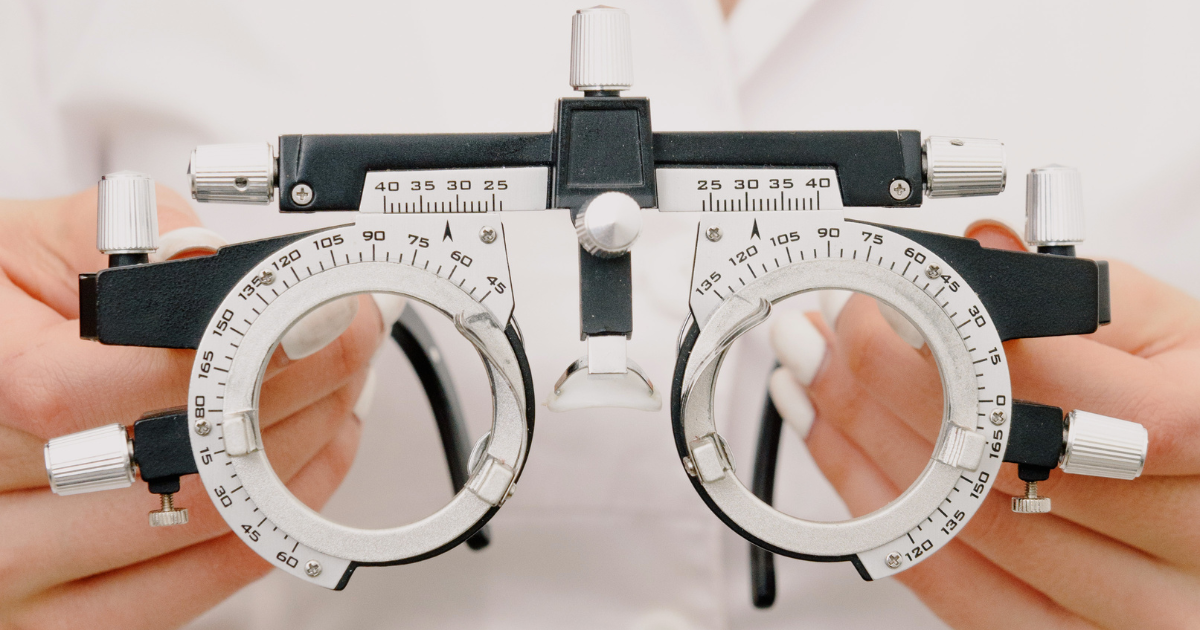
Refraction is the process used to determine the lens powers needed to correct vision. It addresses refractive errors such as nearsightedness, farsightedness, astigmatism, and presbyopia.
The National Eye Institute explains that refractive errors occur when the shape of the eye prevents light from focusing correctly on the retina. Eyeglasses and contact lenses can redirect light to create a clearer image.
Refraction is important, but it does not replace an eye-health evaluation. A comprehensive examination can include additional tests selected according to the patient’s circumstances. Patients should ask what their scheduled appointment includes, especially when they have symptoms, chronic health conditions, or a family history of eye disease.
Dilating drops temporarily enlarge the pupils, allowing an eye doctor to see more of the internal structures. This broader view can help with the evaluation of the retina, macula, optic nerve, and blood vessels.
According to the National Eye Institute’s guide to dilated eye exams, dilation can assist in detecting diseases such as diabetic retinopathy, glaucoma, cataracts, and age-related macular degeneration.
Dilation is not necessarily required during every appointment. The decision depends on clinical findings and risk factors. Because the drops can temporarily cause light sensitivity and blurred near vision, patients should ask in advance whether dilation is likely and whether they may need help traveling home afterward.
Diabetes can affect the small blood vessels in the retina, potentially leading to diabetic retinopathy. Early changes may not immediately affect vision, which means relying on symptoms alone can delay detection.
The CDC’s guidance on diabetes and eye health notes that people with diabetes have an increased risk of diabetic retinopathy, glaucoma, and cataracts. It recommends regular comprehensive care, including dilated examinations, based on professional guidance.
An eye doctor may observe changes that should be communicated to the patient’s primary-care physician or diabetes-care team. Eye examinations do not replace medical management of diabetes, but they can be an important part of coordinated care.
Patients should tell their optometrist about diabetes, high blood pressure, medications, pregnancy, recent changes in blood glucose, and any history of diabetes-related eye findings. Accurate health information helps the doctor interpret examination results and recommend an appropriate follow-up schedule.
Burning, grittiness, redness, fluctuating vision, and excessive watering can all be associated with dry eye. Although the name suggests insufficient tear production, symptoms can also occur when tears evaporate too quickly or do not contain the proper balance of components.
The National Eye Institute explains that dry eye can result when the eyes do not make enough tears or when the tears do not function correctly. Evaluation may involve examining the eyelids and ocular surface, measuring tear production, or assessing how quickly tears evaporate.
Because dry-eye symptoms have multiple possible causes, the most effective approach depends on the findings. Treatment may involve changes to daily habits, over-the-counter products, prescription medication, in-office procedures, or management of contributing conditions. Patients should avoid assuming that every red or uncomfortable eye requires the same type of drop.
A contact lens prescription includes information that is not contained in a standard eyeglass prescription. The optometrist must consider the shape and health of the cornea, lens material, diameter, curvature, replacement schedule, comfort, and the patient’s wearing habits.
Contact lenses are medical devices. The U.S. Food and Drug Administration advises wearers to follow professional cleaning and replacement instructions, wash their hands before handling lenses, and remove the lenses if they experience pain, redness, or a change in vision.
A proper contact lens evaluation can help determine whether the selected lens moves and centers appropriately while providing usable vision. Follow-up care is also important because comfort during the first few minutes does not necessarily predict how a lens will perform after hours of wear.
Some visual changes require faster attention than an ordinary prescription update. Patients should contact an eye-care professional promptly when they experience:
The appropriate response depends on the symptom and its severity. Some problems can be treated by an optometrist, while others may require referral or emergency care. Calling the office and clearly describing what happened can help determine the safest next step.
Modern diagnostic instruments can capture detailed images, measure eye pressure, map the cornea, analyze the tear film, and document changes over time. These tools can provide valuable information, but they do not independently determine a diagnosis.
Results must be interpreted in the context of the patient’s medical history, symptoms, examination findings, and previous records. A number that falls outside an expected range may require additional evaluation, while a technically normal measurement does not automatically explain persistent discomfort or visual difficulty.
This is why patient education matters. An optometrist should be able to explain what was measured, what the findings may mean, and why a particular follow-up interval or treatment was recommended.
Patients can help their eye doctor build a more accurate clinical picture by arriving with relevant information. Useful items include:
Patients should describe symptoms precisely. For example, it is helpful to distinguish constant blur from vision that fluctuates after screen use or improves after blinking. Mention whether discomfort affects one eye or both and whether it developed gradually or suddenly.
Redefined Eyecare provides comprehensive vision and medical eye care for adults and children in McKinney. Its services include comprehensive eye exams, contact lens evaluations, pediatric care, dry-eye treatment, urgent eye care, myopia management, diabetic eye exams, and ocular disease management.
The practice describes its approach as technology-driven and personalized, with an emphasis on patient education and transparent communication. This combination is valuable because diagnostic technology becomes most meaningful when patients understand the findings and can participate in decisions about their care.
A comprehensive eye examination is not simply a transaction that produces a new prescription. It is an opportunity to evaluate how clearly the eyes see, how comfortably they function, and whether clinical findings suggest a need for monitoring, treatment, or referral.
The most appropriate examination schedule differs from person to person. Age, contact lens use, symptoms, diabetes, medications, previous findings, and family history can all influence how frequently care is needed.
By sharing complete health information, reporting visual changes promptly, and asking questions about examination findings, patients can make eye care more useful. Research and diagnostic technology continue to expand what clinicians can measure, but careful interpretation and clear communication remain essential to protecting comfortable vision over time.