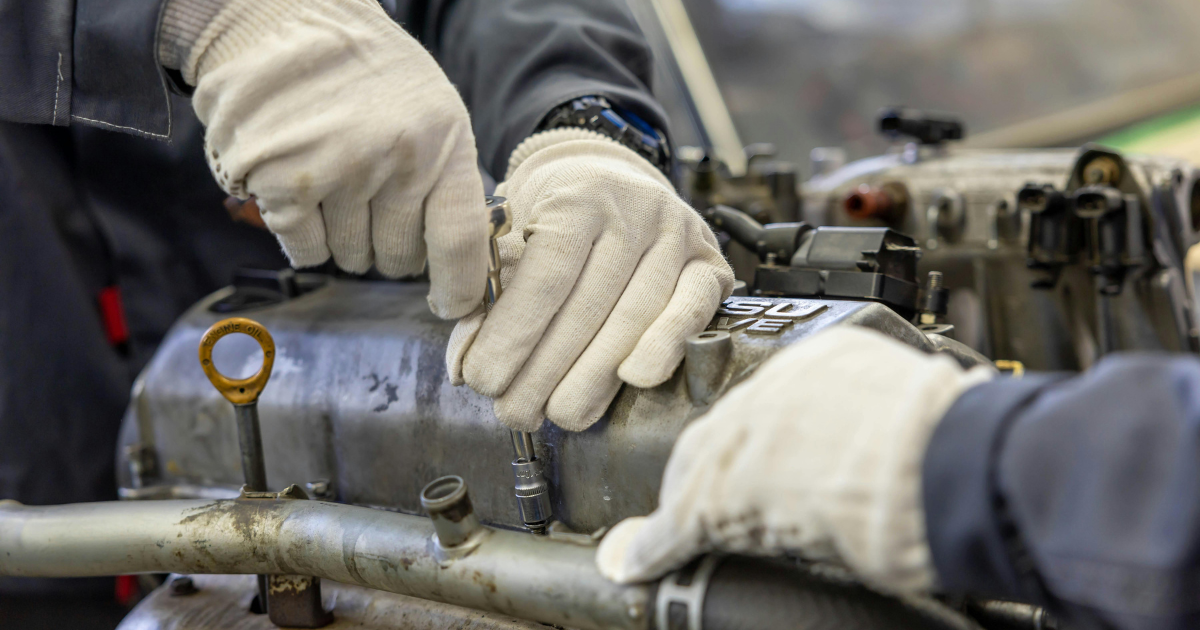
Mobile marine repair in Savannah, GA brings professional diagnostics and diesel service directly to a vessel when moving it to a repair facility would be difficult, inefficient, or potentially unsafe.
A marine diesel problem rarely appears at a convenient time. An engine may develop an unusual vibration before departure, a generator may stop producing dependable power at the dock, or an alarm may activate while the vessel is being prepared for a trip. In these situations, guessing at the cause can waste valuable time and create additional damage.
Mobile service gives a qualified technician the opportunity to inspect the system where the problem occurred. The vessel remains in its normal operating environment, and the owner can provide service records, demonstrate symptoms, and explain recent changes.
When Mobile Repair Is the Practical Choice
Mobile repair can be appropriate for vessels located at a private dock, marina, storage facility, or shipyard. It may also be useful when an engine problem makes moving the boat impractical.
Common reasons to request on-site service include:
- An engine that will not start
- Repeated overheating or low-pressure alarms
- Unusual smoke, odor, noise, or vibration
- Visible fuel, oil, coolant, or seawater leaks
- A generator that starts but cannot maintain operation
- Loss of power under load
- Routine maintenance or scheduled component replacement
- Installation of an engine, generator, or related component
Not every job can be completed dockside. Major machining, certain rebuild procedures, or repairs requiring specialized shop equipment may need to take place at a properly equipped facility. A mobile visit can still provide the initial diagnosis and help determine the next step.
Good Diagnostics Start With Good Information
A symptom is not the same as a diagnosis. Black smoke, for example, may be associated with several possible conditions rather than one universal failure. The same is true of overheating, difficult starting, low oil pressure, or reduced power.
Before the technician arrives, gather information that can narrow the investigation:
- Engine and generator manufacturer, model, and serial number
- Current engine hours
- Maintenance and repair records
- Recent parts or fluids used
- Alarm codes or instrument readings
- Photographs or videos of intermittent symptoms
- The conditions present when the problem began
Describe exactly what happened without trying to diagnose it yourself. “The temperature increased at cruising speed but returned to normal at idle” is more useful than simply reporting that the engine seems broken.
Manufacturer documentation is also important because service intervals and specifications differ. Owners of supported equipment can use resources such as the Volvo Penta support and manuals portal to locate product-specific information.
Do Not Erase the Evidence Before the Visit
Boat owners naturally want to investigate a problem, but excessive troubleshooting before professional service can make the original condition harder to identify. Resetting fault codes, replacing several unrelated parts, or repeatedly attempting to start an engine may remove useful evidence or create additional complications.
Unless immediate action is necessary to prevent a fire, spill, or other hazard, document the condition before changing it. Record gauge readings, capture alarms, note fluid levels, and photograph visible leaks.
If the engine has experienced a serious loss of oil pressure, overheating, uncontrolled speed, or a significant fluid leak, shutting it down may be safer than continuing to operate it. Follow the manufacturer’s emergency instructions and contact an appropriate marine professional.
Make the Vessel Ready for the Technician
Mobile service becomes more efficient when the technician can safely reach the equipment. Clear stored items away from engine-room hatches and access panels before the appointment. Confirm that the technician has permission to enter the marina, shipyard, or storage area.
A useful preparation checklist includes:
- Provide the vessel’s exact location and slip number
- Arrange gate, dock, or yard access
- Remove clutter from the machinery space
- Make service records available
- Identify the location of battery, fuel, and emergency shutoffs
- Confirm whether shore power and water are available
- Inform the technician about known leaks or unsafe conditions
Ventilation and safe access are especially important around diesel engines and generators. Machinery spaces can contain hot surfaces, rotating components, electrical connections, fuel, and exhaust gases.
Routine Maintenance Is Evidence-Based Prevention
Preventive maintenance is not simply a collection of generic tasks. It should follow the intervals and procedures specified for the exact engine, generator, transmission, and installed components.
A maintenance program may include inspecting or servicing:
- Engine oil and filters
- Fuel filters and water separators
- Cooling-system hoses and clamps
- Raw-water pumps and impellers
- Belts and pulleys
- Air-intake and exhaust components
- Electrical connections and batteries
- Transmission fluid and controls
- Engine mounts and alignment
The importance of following manufacturer intervals is supported by real accident investigations. In its report on a diesel generator failure aboard the passenger vessel Ocean Navigator, the National Transportation Safety Board identified debris in the lubrication system as the probable cause of a catastrophic failure and engine-room fire. The agency emphasized following manufacturer-recommended maintenance procedures and intervals.
This does not mean every delayed oil change will lead to a catastrophic event. It demonstrates why fluid history, filter condition, and documented maintenance deserve attention during professional diagnosis.
Exhaust Problems Require Serious Attention
Changes in exhaust sound, visible water leaks, soot marks, or deteriorated hoses can indicate problems that extend beyond engine performance. Exhaust systems also affect the safety of people aboard the vessel.
Carbon monoxide is colorless and odorless, and it may accumulate around boats under certain conditions. The U.S. Coast Guard’s carbon-monoxide maintenance checklist recommends inspecting exhaust hoses, clamps, fittings, cooling components, and water flow. It also advises boat owners to test installed carbon-monoxide alarms and use qualified marine technicians for annual exhaust inspections.
Do not operate an engine or generator in a poorly ventilated area. If passengers experience headache, dizziness, nausea, or weakness where exhaust may be present, move them to fresh air and seek emergency assistance.
Qualified Marine Training Matters
Marine systems operate in a demanding environment involving vibration, moisture, corrosion, confined spaces, and continuous exposure to saltwater. Repairs therefore require knowledge that extends beyond general diesel mechanics.
Silverman Marine Diesel identifies its technicians as certified by the American Boat and Yacht Council. The ABYC certification program covers areas such as marine engines, fuel systems, electrical systems, corrosion, and recognized marine standards. Technician certification also includes practical experience requirements.
When evaluating a service provider, boat owners can ask:
- Does the technician have marine-specific training?
- Is the technician familiar with the installed equipment?
- Will factory procedures and specifications be followed?
- Can the provider explain the diagnostic findings?
- Will completed work and replaced parts be documented?
A clear explanation is part of quality service. Owners should understand what failed, what was repaired, and what maintenance may be needed next.
Parts Selection Should Follow the Equipment
Marine engines and generators should not receive replacement parts based solely on appearance. Model numbers, serial numbers, production changes, and manufacturer updates can affect compatibility.
A technician may need to verify dimensions, ratings, materials, or superseded part numbers before installation. Using the correct component supports proper fit and helps ensure the repair follows the equipment manufacturer’s specifications.
Silverman Marine Diesel services and sells equipment and components associated with marine brands including Volvo Penta, Nanni, Mitsubishi, Glendinning, Twin Disc, ZF Marine, and Phasor Marine. Exact support should be confirmed when the appointment is scheduled.
Environmental Control Is Part of Professional Repair
Dockside work requires careful handling of diesel fuel, lubricants, coolant, filters, and contaminated materials. Even a small spill can spread quickly across the water.
The U.S. Environmental Protection Agency’s guidance for marinas and boat owners emphasizes responsible petroleum handling and spill prevention. Before service begins, the work area should be prepared with suitable containment and cleanup materials.
Used fluids and filters should be captured rather than allowed to drain into the bilge or surrounding water. If a spill occurs, follow marina procedures and applicable reporting requirements instead of using detergents to make the sheen disappear.
Safety Alerts and Recalls Belong in the Maintenance File
Engine and vessel maintenance should evolve when manufacturers or safety agencies identify recurring problems. Owners can periodically check the U.S. Coast Guard’s recall database for applicable vessel and equipment information.
Safety alerts can also provide useful lessons beyond the affected model. A recent Coast Guard alert involving repeated marine-engine EGR cooler failures recommended monitoring cooling-system conditions, investigating unusual alarms, and incorporating relevant components into preventive-maintenance programs.
The technical details of that alert do not apply to every diesel engine. The broader lesson is that repeated temperature, pressure, or fluid-level changes should be documented and investigated rather than continually reset.
Build a Better Service Record
After a repair, retain the invoice, parts information, test results, and technician’s recommendations. Record the engine hours and date so future maintenance can be calculated accurately.
A useful service entry should identify:
- The original complaint
- Diagnostic findings
- Repairs or adjustments completed
- Parts and fluids installed
- Operational tests performed
- Follow-up work recommended
Detailed records can reveal patterns, support future troubleshooting, and provide valuable information when the vessel changes ownership.
Professional Service Where the Vessel Needs It
Based near the Port of Savannah, Silverman Marine Diesel has served boat owners and marine professionals since 2013. The company provides mobile maintenance, diagnostics, repairs, parts delivery, and installation at docks, shipyards, storage locations, and other suitable vessel sites. Its broader capabilities include marine diesel engines, generators, minor top-end repairs, complete overhauls, parts, and equipment sales.
Mobile repair is most effective when the owner preserves evidence, provides accurate equipment information, and prepares safe access before the technician arrives. Combined with factory procedures and documented preventive maintenance, on-site service can help turn an unexpected engine problem into a structured repair plan.